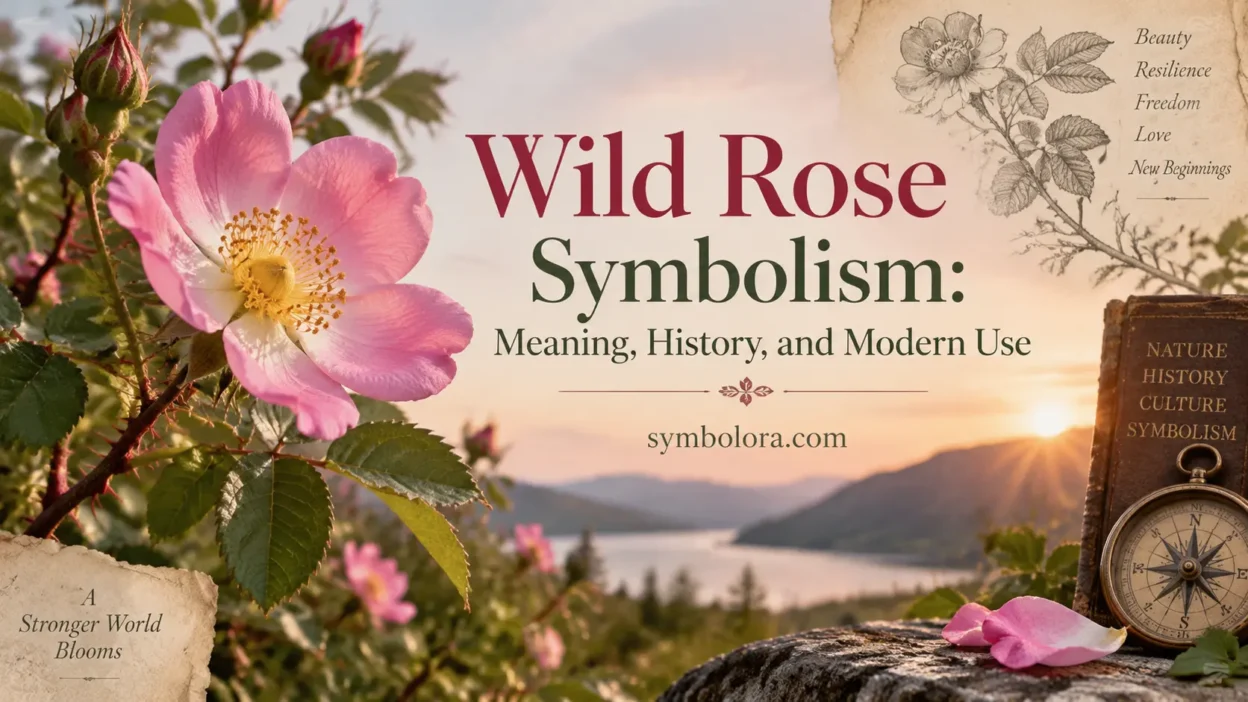
A wild rose is often recognized as a symbol of natural beauty, resilience, love, and independence. Unlike cultivated roses that are carefully shaped by gardeners, wild roses grow freely in fields, forests, and open landscapes, giving them associations with authenticity and untamed character. Wild rose symbolism reflects both the flower’s physical qualities and the cultural meanings people have attached to it over generations.
The wild rose has appeared in folklore, literature, personal expression, and decorative traditions because it represents a balance between softness and strength. Its delicate petals exist alongside sharp thorns, creating a natural contrast that has inspired ideas about protection, courage, and emotional complexity.
In modern American culture, people often connect the wild rose with individuality, outdoor beauty, family memories, personal growth, and a closer relationship with nature. Whether used in tattoos, artwork, gardens, or personal symbolism, the flower continues to carry meanings that combine romance with independence.
Quick Answer
Wild rose symbolism commonly represents natural beauty, resilience, independence, and genuine love in modern American culture. Historically, wild roses have also been connected with protection, devotion, folklore, and the balance between vulnerability and strength.
TL;DR
- Wild roses symbolize natural beauty and resilience.
- Thorns represent protection and personal boundaries.
- Ancient cultures connected roses with love and devotion.
- Americans often view wild roses as nature symbols.
- Tattoos use wild roses for identity and growth.
- Modern meanings emphasize authenticity and independence.
What a Wild Rose Represents in Nature
A wild rose is a flowering plant that grows naturally without extensive human cultivation. Unlike many garden roses developed through selective breeding, wild roses usually have simpler flowers with fewer layers of petals. They are commonly found in meadows, woodland edges, roadsides, and rural landscapes.
The flower’s appearance contributes strongly to its symbolic meaning. The soft petals suggest beauty, affection, and emotional openness, while the thorns suggest caution, defense, and survival. This combination makes the wild rose different from symbols that represent only gentleness or only strength.
Many people associate wild roses with the natural world because they appear in environments where plants must adapt and survive. Their ability to grow in changing conditions has helped create connections with endurance and self-reliance.
In the United States, wild roses are often appreciated as reminders of native landscapes and the simple beauty found outside carefully designed spaces. They can represent a connection to rural traditions, hiking experiences, gardens, and outdoor memories.
What It Commonly Means in the United States
In modern American culture, wild roses are usually associated with ideas that combine emotional warmth and personal strength. Their meanings are flexible, but several interpretations appear frequently.
| Context | Meaning in the USA | Common Associations | Notes |
|---|---|---|---|
| Nature | Freedom and resilience | Wilderness, growth, survival | Linked with outdoor environments |
| Relationships | Genuine affection | Love, loyalty, connection | Less formal than traditional roses |
| Personal identity | Independence | Individuality, authenticity | Popular in tattoos |
| Home and design | Natural charm | Gardens, rustic decor | Often used for organic aesthetics |
| Memorials | Remembrance | Memory, honor, family | Used with care in tribute designs |
One reason wild roses remain meaningful is that they feel less artificial than highly cultivated flowers. For many Americans, the flower represents something real and imperfect rather than something carefully arranged.
The wild rose can also symbolize emotional boundaries. Its thorns remind people that beauty does not remove the need for protection. This idea appears often in personal artwork and writing, where the flower represents someone who is caring but strong enough to defend themselves.
Ancient Roots and Early Symbolism
Roses have been meaningful symbols for thousands of years, although specific wild rose traditions vary between cultures. Early civilizations often connected roses with love, beauty, celebration, and religious devotion.
In ancient Greek and Roman traditions, roses were associated with figures connected to love and desire. The rose became linked with romance, beauty, and special occasions. These associations later influenced European art and literature.
Wild roses also appeared in European folklore, where plants growing freely in forests and fields were often connected with mystery, protection, and the relationship between humans and nature. Because wild plants were less controlled by people, they sometimes carried associations with independence and the unknown.
During medieval Europe, roses gained additional religious associations. The rose became connected with themes such as purity, devotion, and spiritual reflection. White roses especially became linked with innocence, while red roses were often connected with love and sacrifice.
The wild rose inherited some of these broader rose traditions while developing its own identity. Its natural growth pattern made it especially connected with freedom, simplicity, and survival.
The Role of Wild Roses in Folklore and Tradition
Folklore often gives plants meanings based on their appearance, location, and relationship with human life. Wild roses frequently appear in stories because they grow in places that feel untouched or connected to the natural world.
In European folklore, wild roses were sometimes viewed as protective plants because of their thorns. The sharp branches created a physical barrier, which encouraged symbolic connections with guarding homes, people, and personal spaces.
Some traditions also associated roses with love stories and emotional experiences. A wild rose growing in an unexpected place could represent hidden affection, lasting memories, or feelings that continue despite difficulties.
Native and regional traditions in North America have also valued wild roses as part of local ecosystems. Different communities have recognized native plants for their beauty, usefulness, and connection to the land. The symbolic meaning of wild roses in the United States today often reflects a broader appreciation for native nature rather than one single cultural interpretation.
Wild Rose Symbolism in American Culture
The United States has a strong connection between flowers and personal meaning. People use flowers to communicate emotions, remember important moments, decorate spaces, and express identity.
Wild roses fit naturally into this cultural pattern because they represent a less formal kind of beauty. A traditional rose bouquet may suggest romance or celebration, while a wild rose often suggests something more personal: a favorite landscape, childhood memory, family connection, or appreciation for natural places.
In American gardens, wild roses are often valued for their ability to attract pollinators and create a more natural environment. Their presence can symbolize environmental awareness and respect for native plants.
The flower also appears in regional artwork, outdoor-inspired designs, and handmade crafts. Its shape works well in patterns because it combines recognizable beauty with distinctive details such as curved stems and thorns.
For many Americans, the wild rose represents a connection between human emotions and the natural world. It suggests that strength and softness can exist together.
Emotional and Psychological Meaning of the Wild Rose
The wild rose often carries emotional meanings because its physical traits reflect experiences people recognize in their own lives. The flower’s delicate appearance combined with its protective thorns creates a natural image of balance.
Many people interpret the wild rose as a symbol of emotional strength. It suggests that a person can remain caring and open while still maintaining boundaries. This interpretation is especially common in personal artwork, writing, and tattoos, where people use the flower to represent survival after difficult experiences.
The wild rose can also represent authenticity. Because it grows naturally rather than being shaped into a perfect garden flower, it is often connected with ideas of being genuine, accepting imperfections, and staying true to oneself.
From a psychological perspective, symbols from nature can help people express feelings that are difficult to explain directly. A wild rose may represent healing, a meaningful memory, personal transformation, or a connection to someone or something important.
Unlike symbols that represent only happiness or beauty, the wild rose acknowledges complexity. It reflects the idea that something can be attractive while still carrying challenges and defenses.
Why Wild Roses Appear in Tattoos and Personal Style
Wild rose tattoos have become popular because the flower offers a wide range of meanings without being limited to one interpretation. People often choose the design because it connects with personal stories, relationships, or values.
Common meanings behind wild rose tattoos include:
- Independence and self-confidence
- Recovery after hardship
- Love that has lasted through challenges
- Connection with nature
- Appreciation for personal freedom
- Respect for family or heritage
The thorns are an important part of the design. A rose without thorns may focus mainly on beauty, while a wild rose with visible thorns adds ideas of protection and resilience.
In American tattoo culture, floral designs are often chosen because they can be both decorative and personal. A wild rose can be designed in a realistic style, traditional tattoo style, minimalist form, or combined with other symbols such as birds, insects, names, dates, or landscapes.
Some people choose wild roses because they prefer symbols that feel less polished and more connected to the natural world. The flower can communicate individuality rather than following a standard idea of beauty.
Wild Rose Meaning in Love and Relationships
Roses have long been connected with romance, but the wild rose often represents a more natural and enduring form of love. Instead of focusing only on passion or luxury, it can suggest affection that grows through honesty and shared experiences.
A wild rose may symbolize:
- Unconditional care
- Loyalty
- A relationship that survives challenges
- Love connected to memories and places
- Appreciation for someone’s true character
In weddings and relationship traditions, cultivated roses are more common, especially red roses associated with romance. However, wild roses may appear in rustic weddings, outdoor ceremonies, and nature-inspired decorations because they create a feeling of simplicity and authenticity.
The flower’s thorns can also represent the realistic side of relationships. Love often includes vulnerability, disagreements, and effort. The wild rose suggests that meaningful connections can exist even when challenges are present.
Religious and Spiritual Interpretations
The broader rose symbol has appeared in several religious traditions, although interpretations differ depending on culture and belief system.
In Christianity, roses have sometimes been associated with themes such as purity, devotion, and spiritual love. The Virgin Mary has been connected with roses in Christian art and tradition, especially through the symbolism of the “rose without thorns” in certain interpretations.
Wild roses may also appear in spiritual contexts because of their connection with creation, nature, and the beauty of the natural world. Some people view them as reminders of gratitude, humility, and appreciation for life.
However, wild roses do not have one universal religious meaning. Their interpretation depends heavily on personal beliefs and cultural background. In modern America, many people use wild roses in a personal or artistic way rather than as a specific religious symbol.
Color Meanings Associated With Wild Roses
The color of a wild rose can influence how people interpret its symbolism. Different colors create different emotional associations.
| Wild Rose Color | Common Symbolic Meaning | Modern Associations |
|---|---|---|
| Pink | Affection and gentleness | Friendship, appreciation, kindness |
| White | Purity and remembrance | Peace, innocence, memorials |
| Red | Love and devotion | Romance, passion, commitment |
| Yellow | Joy and friendship | Optimism, warmth, connection |
| Soft natural tones | Simplicity and authenticity | Nature, calmness, individuality |
Because wild roses are often naturally found in softer shades, they frequently create associations with calmness and the outdoors. The color interpretation is usually influenced by the setting where the flower appears.
For example, a white wild rose in a memorial garden may communicate remembrance, while a pink wild rose in artwork may suggest affection and appreciation.
Wild Roses in Home Design and Decorative Art
Wild rose designs appear frequently in home decor because they create a connection between indoor spaces and nature. They are especially common in rustic, cottage, farmhouse, and botanical-inspired styles.
People use wild rose patterns in:
- Wallpaper
- Textiles
- Ceramic designs
- Paintings
- Garden decorations
- Handmade crafts
Unlike highly formal floral designs, wild rose artwork often creates a relaxed feeling. It can make a space feel connected to gardens, countryside settings, and outdoor environments.
In American interior design, natural motifs have become popular because many people want homes that feel comfortable and connected to the environment. Wild roses fit this preference because they represent organic beauty rather than perfection.
The flower can also carry personal meaning in a home. Someone may display wild rose artwork because it reminds them of a childhood place, a loved one, a favorite outdoor location, or a personal value.
Modern Uses of Wild Rose Symbolism
Today, wild roses appear across many forms of personal and cultural expression. Their meaning continues to adapt as people use them in new ways.
Common modern uses include:
Tattoos and body art:
Wild roses are popular because they combine beauty with symbolism. They allow people to represent personal experiences, strength, and identity.
Jewelry:
Wild rose designs in necklaces, rings, and bracelets often represent affection, individuality, or connection with nature.
Fashion:
Floral patterns featuring wild roses appear in clothing and accessories because they create a natural and romantic appearance.
Social media and digital design:
Wild rose illustrations are often used in profiles, artwork, and inspirational content because they communicate softness, creativity, and nature appreciation.
Gardening:
Planting wild roses can represent environmental awareness, appreciation for native plants, and a desire for natural landscapes.
The symbol remains popular because it can communicate different messages without requiring a fixed meaning. One person may see it as a symbol of love, while another may see it as a reminder of independence.
Common Misunderstandings About Wild Rose Symbolism
Because roses have many meanings across cultures, wild roses are sometimes misunderstood. Not every rose symbol carries the same message, and interpretations can change depending on context.
One common misunderstanding is assuming that all roses represent romance. While roses are strongly connected with love, wild roses often carry broader meanings related to nature, resilience, and individuality.
Another misunderstanding is treating symbolic meanings as universal rules. A wild rose tattoo, decoration, or artwork does not automatically reveal a person’s beliefs or experiences. Symbolism is personal, and people often choose designs for reasons that are unique to them.
Some online interpretations also exaggerate plant symbolism by assigning dramatic meanings without cultural support. A more accurate approach is to view wild roses as symbols with multiple historical and modern associations rather than as having one hidden definition.
Understanding the context behind the symbol helps separate traditional meanings from personal interpretations.
How Wild Rose Symbolism Has Changed Over Time
The meaning of wild roses has evolved as societies have changed. Earlier traditions often focused on folklore, religion, and the relationship between humans and nature. Modern interpretations often emphasize identity, personal expression, and environmental awareness.
In earlier European traditions, wild roses were connected with ideas of protection, romance, and natural mystery. In contemporary America, the symbol is often viewed through personal experiences and lifestyle choices.
The rise of tattoo culture, nature-focused design, and environmental movements has expanded how people understand the flower. Today, a wild rose may represent a personal journey, respect for nature, emotional healing, or a connection to one’s roots.
The symbol has remained relevant because its meanings are adaptable. It can fit traditional settings while also working in modern personal expression.
Frequently Asked Questions
What does a wild rose symbolize?
A wild rose commonly symbolizes natural beauty, resilience, independence, and genuine affection. Its combination of soft petals and protective thorns often represents the balance between openness and strength.
What does a wild rose tattoo mean?
A wild rose tattoo can represent personal growth, survival, individuality, love, or a connection with nature. The meaning depends on the person’s experience and the design details.
Are wild roses considered a symbol of love?
Yes, wild roses can symbolize love, but they often suggest a more natural and enduring type of love rather than only romantic passion. They may represent loyalty, memories, and relationships that withstand challenges.
What is the spiritual meaning of a wild rose?
The spiritual meaning of a wild rose varies by tradition. Some people connect it with gratitude, creation, devotion, and appreciation for the natural world, while others view it as a personal symbol.
Do wild roses have a negative meaning?
Wild roses are generally viewed positively, but their thorns can represent protection, caution, or emotional boundaries. These meanings are not negative; they often suggest balance between vulnerability and strength.
Why are wild roses popular in American culture?
Wild roses are popular because they connect with American appreciation for nature, individuality, and personal storytelling. They appear in gardens, tattoos, artwork, and decorative designs because they carry flexible meanings.
How are wild roses different from regular roses symbolically?
Traditional roses are often strongly associated with romance and formal expressions of love. Wild roses usually emphasize authenticity, freedom, resilience, and a closer connection with nature.
Conclusion
Wild roses represent a combination of beauty, independence, affection, and resilience. Their natural growth, delicate flowers, and protective thorns have helped create meanings that connect emotional experiences with the natural world.
Today, wild rose symbolism continues to appear in American tattoos, gardens, artwork, and personal expressions because it allows people to communicate both softness and strength. The flower reminds people that beauty does not require perfection and that meaningful things can grow through difficult conditions.
Whether used as a personal symbol or appreciated simply as a part of nature, the wild rose remains a reminder of authenticity, connection, and the lasting relationship between people and the world around them.


