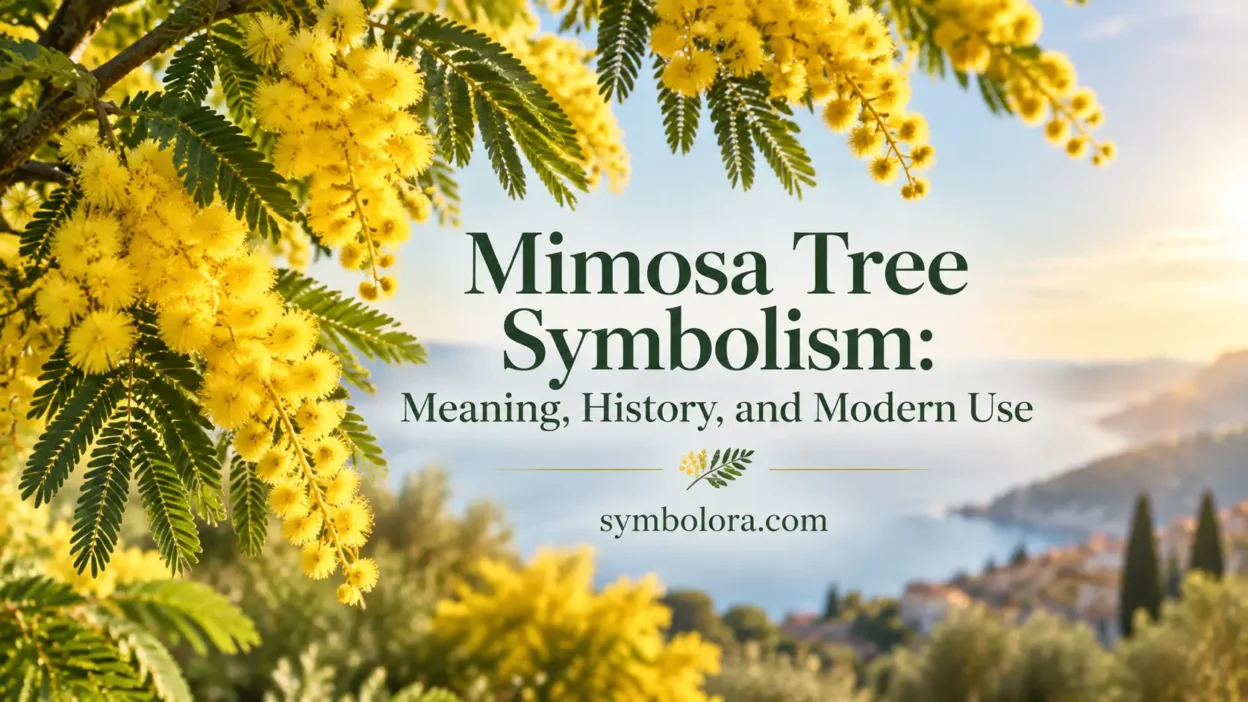
The mimosa tree is often recognized for its delicate pink flowers, soft fern-like leaves, and graceful appearance. Mimosa tree symbolism commonly represents sensitivity, beauty, resilience, and emotional connection in modern American culture. Its unusual appearance and ability to thrive in challenging environments have made it a meaningful plant in gardens, art, personal expression, and cultural traditions.
For many people in the United States, the mimosa tree carries associations with warmth, femininity, friendship, and renewal. Its flowers appear during summer months, creating a visual reminder of joy and natural beauty. However, the tree’s symbolism comes from a mixture of botanical characteristics, cultural traditions, and changing public perceptions.
Quick Answer
Mimosa tree symbolism commonly represents sensitivity, friendship, beauty, and emotional openness in modern American culture, especially in gardens, gifts, and personal artwork. Historically, the tree has also been connected with feminine strength, remembrance, renewal, and cultural celebrations in different regions.
TL;DR
- Mimosa trees symbolize sensitivity, beauty, and emotional connection.
- Their history connects to Asian traditions and global gardens.
- Americans often view them as graceful ornamental trees.
- Pink flowers represent affection, celebration, and warmth.
- Modern uses include tattoos, decor, and personal gifts.
What Is a Mimosa Tree and Why Does It Stand Out?
The mimosa tree, commonly known as the silk tree, is a flowering tree recognized for its unique appearance. It produces clusters of small pink or pink-and-white flowers that resemble soft powder puffs. Its leaves are delicate and feather-like, closing or folding when touched in some species, which adds to its reputation as a sensitive and responsive plant.
The tree is native to parts of Asia, including China and regions of the Middle East, but it has become familiar in many parts of the United States. American gardeners often plant mimosa trees because of their fast growth, fragrant flowers, and tropical-looking appearance.
Unlike many traditional shade trees, the mimosa creates a softer visual impression. Its open branches and bright flowers often make people associate it with gentleness rather than strength. However, its ability to survive heat, poor soil, and difficult conditions adds another layer to its meaning: quiet resilience.
What It Commonly Means in the United States
In modern American culture, the mimosa tree is usually connected with positive ideas. People often interpret its appearance as a symbol of kindness, emotional sensitivity, and natural beauty.
The tree’s symbolism is shaped by several features:
| Context | Meaning in the USA | Common Associations | Notes |
|---|---|---|---|
| Gardens | Beauty and peacefulness | Summer, relaxation, nature | Often planted as an ornamental tree |
| Flowers | Affection and celebration | Friendship, warmth, appreciation | Pink blooms create a cheerful impression |
| Personal symbolism | Sensitivity and resilience | Emotional openness, growth | Used in art and tattoos |
| Memorial settings | Remembrance and comfort | Love, memories, connection | Flowers can represent lasting bonds |
Many Americans associate the mimosa tree with a softer form of strength. It does not symbolize power through size or dominance. Instead, it represents the ability to remain graceful while adapting to change.
Ancient Roots and Early Symbolism
The mimosa tree’s symbolic history begins in Asia, where related species were valued for their appearance and cultural associations. In China, the silk tree became connected with ideas of happiness, friendship, harmony, and emotional balance.
Traditional Chinese culture often viewed plants as carriers of human qualities. Trees and flowers were not only decorative but also represented values people wanted to cultivate in life. The mimosa’s delicate leaves and attractive flowers contributed to its association with gentleness and positive relationships.
The tree also gained attention because of its unusual leaf movements. Some mimosa species respond to touch by folding their leaves, which led people to connect them with sensitivity and awareness.
Over time, the plant moved beyond its original regions and became part of gardens across Europe and North America. As it entered new cultures, its symbolism changed based on local experiences.
The Connection Between Mimosa Trees and Sensitivity
One of the strongest symbolic meanings of the mimosa tree comes from its connection with sensitivity. The plant’s physical reaction to touch created a natural association with emotional awareness.
In human symbolism, sensitivity does not always mean weakness. Many people view it as the ability to notice, understand, and respond to the world around them. The mimosa tree reflects this idea through its delicate structure and responsive leaves.
In modern American interpretations, the tree can represent:
- Emotional intelligence
- Compassion toward others
- Awareness of personal feelings
- A gentle personality
- Openness to change
This meaning makes the mimosa popular among people who want symbols connected with kindness and emotional expression.
Feminine Symbolism and Emotional Beauty
The mimosa tree has often been connected with feminine symbolism because of its soft flowers, graceful shape, and associations with tenderness.
In many cultures, flowers have traditionally represented qualities such as care, beauty, nurturing, and affection. The mimosa fits this pattern because it combines visual delicacy with survival ability.
In the United States, people may associate the tree with:
- Motherhood
- Friendship between women
- Self-love
- Gracefulness
- Personal growth
However, the tree is not limited to one gender or identity. Its symbolism can apply to anyone who connects with themes of compassion, renewal, and emotional strength.
Mimosa Tree Symbolism in American Gardens and Landscapes
The mimosa tree became popular in parts of the United States because it grows quickly and produces attractive flowers. It is especially recognized in warmer regions where it can survive easily.
For many homeowners, planting a mimosa tree represents creating a welcoming outdoor space. The tree’s flowers attract attention, and its spreading branches create a relaxed atmosphere.
In American landscaping, it can symbolize:
- A peaceful home environment
- Appreciation for nature
- Summer memories
- Personal freedom
- A connection with beauty
At the same time, some areas consider mimosa trees invasive because they spread easily and can compete with native plants. This has created a more complicated modern view of the tree.
Cross-Cultural Meanings Around the World
Different cultures have developed their own interpretations of the mimosa tree.
In China, the silk tree has connections with happiness, friendship, and harmony. It has appeared in traditional gardens and cultural references because of its pleasant appearance.
In Italy, mimosa flowers became strongly associated with International Women’s Day. The yellow mimosa flower is often given as a symbol of respect, appreciation, and recognition for women.
In other regions, mimosa flowers can represent:
- Celebration
- Hope after difficulty
- New beginnings
- Social connection
These interpretations show how one plant can develop different meanings depending on cultural history.
Emotional and Psychological Meaning of the Mimosa Tree
Plants often influence emotions through color, shape, scent, and personal memories. The mimosa tree creates a gentle visual experience that many people find calming.
Its pink flowers may remind people of:
- Happiness
- Affection
- Childhood memories
- Warm relationships
- Peaceful moments outdoors
The tree’s ability to grow in difficult conditions also creates a psychological connection with perseverance. A person may choose the mimosa as a symbol because it represents staying soft while continuing to grow.
This balance between vulnerability and resilience is one reason the tree remains meaningful.
Mimosa Tree Symbolism in Tattoos and Personal Expression
Mimosa tree tattoos are less common than rose or lotus tattoos, but they carry personal meanings for people who choose them.
A mimosa tattoo may represent:
- Emotional sensitivity
- A connection to nature
- Personal transformation
- Family memories
- Inner resilience
Some people choose the tree after experiencing major life changes. The image can represent surviving difficult periods while maintaining kindness and optimism.
Tattoo designs may include pink blossoms, branches, birds, butterflies, or natural landscapes to expand the meaning.
Use in Art, Fashion, and Home Decor
The mimosa tree’s delicate appearance makes it popular in visual design. Artists often use its flowers and branches in paintings, fabric patterns, and decorative items.
In home decor, mimosa imagery can create a feeling of:
- Freshness
- Femininity
- Relaxation
- Natural elegance
Its soft colors work well with romantic, vintage, and nature-inspired styles.
Fashion designers also use floral patterns because flowers communicate emotions without words. Mimosa-inspired designs often suggest lightness and warmth.
Religious and Spiritual Interpretations
The mimosa tree does not have one universal religious meaning, but plants often appear in spiritual traditions as symbols of life, growth, and renewal.
Some people connect the mimosa with spiritual themes such as:
- New beginnings
- Appreciation for creation
- Emotional healing
- Peace
These interpretations are personal rather than fixed religious teachings. The tree’s meaning usually comes from individual beliefs and cultural background.
Controversies and Changing Views of the Mimosa Tree
Although many people admire mimosa trees, they also have environmental concerns. In some parts of the United States, mimosa trees are considered invasive because they spread quickly and may affect native ecosystems.
This creates a contrast between symbolic beauty and ecological challenges.
A tree can represent positive human values while also requiring responsible care. Modern interpretations increasingly include awareness of environmental impact alongside appreciation of natural beauty.
Understanding this difference prevents people from viewing the mimosa only through romantic symbolism.
How Mimosa Tree Meaning Has Changed Over Time
The meaning of the mimosa tree has evolved as the plant moved across continents. Early cultural associations focused on happiness, friendship, and sensitivity. Later interpretations added ideas of personal expression, resilience, and environmental awareness.
In modern America, the mimosa tree is not tied to one single meaning. Its symbolism depends on the person, setting, and purpose.
A gardener may see it as a beautiful flowering tree. An artist may see it as a symbol of delicate beauty. Someone choosing it for a tattoo may view it as a reminder of emotional strength.
Modern Uses of Mimosa Symbolism
Today, mimosa symbolism appears in several areas of personal and cultural expression.
Common modern uses include:
- Floral arrangements
- Garden designs
- Jewelry-inspired artwork
- Tattoos
- Paintings
- Social media images
- Personalized gifts
People often choose plant symbols because they communicate feelings in a simple visual form. The mimosa’s combination of softness and endurance makes it especially suitable for messages about growth and connection.
Frequently Asked Questions
What does a mimosa tree symbolize?
A mimosa tree commonly symbolizes sensitivity, friendship, beauty, and emotional connection. Many people also associate it with resilience because the tree can grow in challenging conditions.
Is the mimosa tree a symbol of love?
The mimosa tree can represent affection and emotional bonds, especially through its flowers. However, it is more commonly linked with friendship, appreciation, and gentle relationships than romantic love alone.
What does a mimosa tree tattoo mean?
A mimosa tree tattoo often represents emotional awareness, personal growth, and resilience. Some people choose it as a reminder to remain kind while overcoming challenges.
Why is mimosa associated with women?
In some cultures, especially Italy, mimosa flowers are connected with appreciation for women and International Women’s Day. This association comes from cultural tradition rather than a universal meaning.
Are mimosa trees considered positive symbols?
Yes, many people view mimosa trees positively because they represent beauty, warmth, and renewal. However, environmental concerns about invasive growth have added complexity to their modern perception.
What is the spiritual meaning of a mimosa tree?
The spiritual meaning of a mimosa tree varies by personal belief. Some people connect it with renewal, gratitude, emotional healing, and appreciation for nature.
Conclusion
The mimosa tree represents a balance between delicacy and endurance. Its flowers, responsive leaves, and ability to adapt have helped create associations with sensitivity, friendship, beauty, and resilience.
Mimosa tree symbolism continues to evolve in modern American culture through gardens, artwork, tattoos, and personal traditions. While the tree’s meaning differs across cultures and individuals, it remains a reminder that gentleness and strength can exist together.
Whether admired for its flowers or chosen as a personal symbol, the mimosa tree reflects a simple idea: growth does not always require hardness; sometimes it comes from remaining open and adaptable.