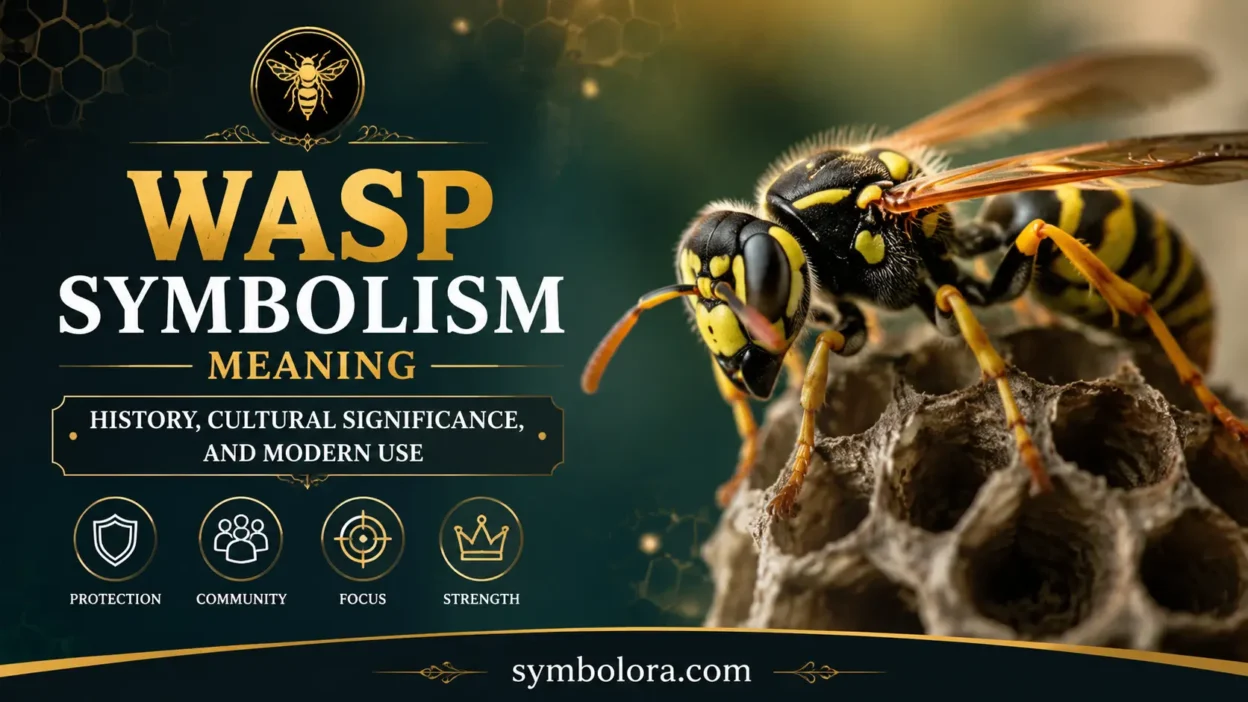
Wasp symbolism meaning is often connected with protection, determination, independence, and strong personal boundaries. Although wasps are sometimes viewed negatively because of their sting, their behavior also reflects qualities such as organization, persistence, and survival. In modern American culture, the wasp can represent both caution and confidence, depending on the context in which it appears.
Unlike butterflies, birds, or flowers that are commonly associated with beauty and harmony, wasps carry a more complex image. They are creatures that demand attention. A wasp nest, a sudden encounter in nature, or a wasp image in art can suggest themes of defense, resilience, and the importance of respecting limits.
The meaning of a wasp symbol has developed through a mixture of observation, folklore, cultural traditions, and modern personal expression. Today, people encounter wasp imagery in tattoos, artwork, fashion, literature, and nature-inspired designs. Understanding its symbolism requires looking at both the insect itself and the human emotions attached to it.
Quick Answer
Wasp symbolism meaning commonly represents protection, determination, independence, and personal strength in modern American culture. Historically, wasps have also been associated with discipline, community organization, defense, and the ability to overcome challenges.
TL;DR
- Wasps symbolize protection and strong boundaries.
- Ancient traditions viewed wasps as organized defenders.
- Americans often associate wasps with resilience.
- Tattoos use wasps to express strength.
- Wasps can represent caution and self-defense.
- Modern meanings balance fear and admiration.
What the Wasp Represents in Symbolism
The wasp is a small but noticeable insect recognized for its narrow body, bright markings, wings, and defensive behavior. Unlike bees, which are widely connected with sweetness, pollination, and cooperation, wasps often create stronger associations with independence and protection.
A wasp does not usually symbolize passive strength. Its symbolism comes from action. The insect protects its nest, searches for food, adapts to changing environments, and responds quickly when threatened. These natural behaviors have influenced the way people interpret wasps as symbols.
In symbolic language, the wasp often represents:
- Protection: Wasps defend their colonies and respond strongly to danger.
- Determination: They continue working despite difficult conditions.
- Independence: Many wasp species operate with a stronger image of self-reliance.
- Awareness: Their presence encourages caution and attention.
- Personal boundaries: A wasp reminds people that defense can be necessary.
Because of these meanings, the wasp is often viewed as a symbol of someone who is capable, alert, and unwilling to be easily controlled.
What It Commonly Means in the United States
In the United States, wasp symbolism usually depends on the situation. Many Americans first associate wasps with danger because of their sting, especially during outdoor activities, summer gatherings, and gardening. However, symbolic interpretations often move beyond fear.
In American culture, the wasp can represent the idea of standing up for oneself. Its defensive nature is sometimes interpreted as a reminder that strength includes knowing when to protect personal space.
The symbol may appear in different settings:
| Context | Meaning in the USA | Common Associations | Notes |
|---|---|---|---|
| Tattoos | Strength and resilience | Courage, survival, identity | Often chosen for bold designs |
| Nature imagery | Adaptation | Survival, awareness | Connected with wildlife appreciation |
| Art and decor | Protection | Defense, confidence | Used in symbolic artwork |
| Personal identity | Independence | Determination, boundaries | Represents a strong personality |
| Stories and media | Conflict or challenge | Warning, confrontation | Often reflects tension |
For some people, the wasp represents overcoming difficult experiences. For others, it represents the need to stay alert and protect what matters.
Ancient Roots and Early Symbolism of Wasps
Humans have observed wasps for thousands of years, and their behavior influenced symbolic interpretations in different societies. Early meanings often came from watching how wasps built nests, defended their communities, and interacted with their surroundings.
In ancient Mediterranean cultures, insects were sometimes connected with ideas of order and social structure. Wasps, like bees and other colony insects, demonstrated organized behavior that appeared almost planned. Their ability to create complex nests contributed to associations with discipline and cooperation.
Some ancient stories and artistic traditions included insects as symbols of transformation, protection, or natural forces. However, wasps generally did not receive the same widespread positive symbolism as bees. Their aggressive defense mechanisms created a more balanced image that included both respect and caution.
The historical symbolism of the wasp developed from two observations:
- The wasp is highly organized.
- The wasp is ready to defend itself.
These qualities shaped later interpretations of the insect as a symbol of both productivity and confrontation.
Protection and Defense: The Central Meaning of the Wasp
Protection is one of the strongest symbolic themes connected with wasps. A wasp’s first response to danger is often defense, especially when its nest or colony is threatened.
This behavior has made the wasp a symbol of guarding personal space and protecting important values. In human terms, the image can represent someone who sets clear boundaries and refuses to tolerate disrespect.
This meaning appears frequently in personal symbolism. Someone may choose a wasp image because they identify with qualities such as:
- standing firm during difficult situations
- defending family or community
- recovering after hardship
- refusing to appear powerless
The wasp does not symbolize aggression alone. Its deeper meaning is often about knowing when defense is necessary.
The Wasp as a Symbol of Strength and Determination
Although wasps are physically small, they display behaviors associated with persistence and survival. This contrast between size and capability makes them interesting symbols.
A wasp can represent the idea that appearance does not determine strength. Something small can still influence its environment and defend itself effectively.
In modern interpretations, the wasp may symbolize:
- mental toughness
- confidence
- persistence
- courage under pressure
- personal discipline
This symbolism appears especially in tattoos and artwork where people want an image that represents overcoming obstacles rather than traditional beauty.
A wasp is not admired because it is harmless. It is respected because it survives.
Wasp Symbolism in American Culture and Identity
In the United States, the wasp has a complicated cultural image. Unlike symbols that carry one widely accepted meaning, the wasp can represent both admiration and discomfort. Many Americans encounter wasps in everyday life through gardens, parks, outdoor meals, and summer activities. Because of this direct experience, the insect often creates strong emotional reactions.
Symbolically, Americans often connect wasps with independence and self-protection. The insect’s reputation for defending its nest has made it a common image for personal boundaries. In this sense, a wasp can represent the idea that strength does not always come from size or popularity; sometimes it comes from the ability to defend yourself when necessary.
The wasp also appears in discussions about nature and environmental awareness. As people become more interested in native species and ecological balance, some views of wasps have shifted. Instead of seeing them only as pests, many now recognize their role as predators that help control other insect populations.
In American symbolism, the wasp often reflects a balance between two ideas:
- Confidence without unnecessary conflict
- Defense without constant aggression
This balance explains why the wasp can represent both caution and respect.
Cross-Cultural Meanings of the Wasp Symbol
Different cultures have interpreted wasps in various ways based on local environments, traditions, and beliefs. While wasps rarely hold the same universal recognition as animals like lions, snakes, or eagles, they appear in folklore and symbolic traditions connected with survival and protection.
In some European traditions, wasps were viewed through the lens of nature’s order. Their organized colonies and structured nests reflected ideas of cooperation and social roles. Observers recognized that these insects worked together to maintain their communities.
In parts of Asia, insects have often been connected with transformation and natural balance. Although bees receive more attention in many traditions, wasps may also represent discipline, alertness, and the relationship between humans and the natural world.
Some Indigenous traditions across North America have emphasized respect for animals and insects as part of a larger ecosystem. Meanings vary among nations and communities, so it is important not to assume one universal Indigenous interpretation. In many nature-based traditions, insects are understood through their behavior and relationship with the environment rather than through fixed symbolic definitions.
The cross-cultural view of the wasp shows a common theme: humans often create symbols by observing how creatures survive.
Emotional and Psychological Meaning of the Wasp
The emotional meaning of a wasp symbol often depends on a person’s experience with the insect. For someone who has been stung, the wasp may immediately represent danger or discomfort. For someone interested in nature, it may represent adaptation and resilience.
Psychologically, the wasp can symbolize several human qualities:
Confidence
A wasp does not appear physically intimidating compared with larger animals, yet it commands attention. This contrast can represent confidence that comes from ability rather than appearance.
Boundaries
The wasp’s defensive behavior connects strongly with the idea of protecting personal limits. People may relate to the symbol when they have experienced situations where they needed to speak up or defend themselves.
Resilience
Wasps survive in many environments and continue functioning despite challenges. This has made them a symbol for persistence and endurance.
Awareness
Because wasps require careful interaction, they can represent the importance of paying attention to surroundings and making thoughtful choices.
Unlike symbols associated only with comfort or peace, the wasp represents a more active form of strength. It suggests awareness, preparation, and the ability to respond when circumstances change.
Wasp Symbolism in Tattoos and Personal Expression
Wasp tattoos have become a popular choice among people who want imagery connected with strength, individuality, and survival. The design often appeals to those who prefer symbols that feel bold rather than delicate.
A wasp tattoo may represent:
- overcoming personal struggles
- protecting loved ones
- independence
- determination
- confidence
- transformation after hardship
The style of the tattoo can also influence the meaning. A realistic wasp design may focus on nature and survival, while a traditional tattoo style may emphasize boldness and personal identity.
Some people choose wasp imagery because they connect with the insect’s reputation. The message may be that they are calm but capable of defending themselves when challenged.
In tattoo culture, wasps are sometimes paired with other symbols, including:
- flowers, creating a contrast between beauty and defense
- skulls, representing mortality and survival
- geometric patterns, emphasizing structure and order
- names or dates, marking personal experiences
The meaning is ultimately personal. A wasp tattoo does not automatically represent anger or aggression. For many people, it represents strength developed through experience.
Wasp Symbolism in Jewelry, Fashion, and Design
Although less common than butterfly, bee, or snake imagery, wasp designs appear in jewelry, clothing, artwork, and decorative objects. Designers often use wasp imagery because it creates a visually striking combination of elegance and intensity.
The wasp’s recognizable shape — a narrow waist, wings, and contrasting colors — makes it suitable for detailed artistic designs.
In fashion and jewelry, the wasp may communicate:
- bold personality
- confidence
- uniqueness
- connection with nature
- appreciation for unusual beauty
The symbol works especially well for people who prefer meanings that are not immediately obvious. A wasp design can invite curiosity because it carries both positive and challenging associations.
Home decor may also use insect imagery to represent natural themes. A wasp illustration in a botanical setting can shift the focus away from fear and toward appreciation of biodiversity.
Modern Use of Wasp Symbolism in Media and Popular Culture
Modern media often uses insects as visual shortcuts for personality traits, and the wasp is no exception. Because of its appearance and reputation, it is frequently used to represent characters or ideas involving determination, conflict, or intensity.
In stories and entertainment, wasp imagery may suggest:
- a character who is defensive but capable
- a difficult challenge that must be overcome
- hidden strength beneath a small appearance
- a warning or threat
The meaning depends heavily on the context. A wasp in a horror scene may represent danger, while a wasp used in a nature documentary represents ecological importance.
Digital culture has also influenced how people interpret animal symbols. Images of insects shared online may be used to express personality traits, humor, or appreciation for unusual creatures.
The modern understanding of the wasp continues to move beyond simple fear. Many people now recognize that the insect represents a mixture of caution, intelligence, and survival.
Common Misunderstandings About Wasp Symbolism
Because wasps can sting, their symbolism is sometimes reduced to aggression or negativity. This interpretation misses many of the qualities that make the insect meaningful.
A wasp does not attack without reason in most situations. Much of its defensive behavior comes from protecting its nest or responding to perceived threats. This has led many symbolic interpretations to focus on boundaries rather than hostility.
Common misunderstandings include:
“Wasps only symbolize danger.”
While danger is one possible association, wasps also represent discipline, protection, and resilience.
“A wasp symbol means someone is aggressive.”
Not necessarily. Many people choose wasp imagery because it represents self-respect and the ability to defend themselves.
“Wasps have only negative meanings.”
Negative interpretations often come from human fear of being stung. Symbolism is shaped by both emotional reactions and observations of nature.
Understanding the wasp requires looking at the entire picture: the insect is defensive, organized, adaptable, and capable.
How Wasp Symbolism Has Changed Over Time
The meaning of the wasp has evolved as human relationships with nature have changed. Earlier interpretations often focused on the insect’s ability to defend itself and the danger associated with its sting.
Today, the symbol has expanded. Environmental awareness has encouraged people to view wasps as important parts of ecosystems rather than simply unwanted insects.
Modern interpretations often emphasize:
- survival instead of fear
- boundaries instead of aggression
- confidence instead of intimidation
- adaptation instead of conflict
This shift reflects a broader change in how people understand animals and insects. Many symbols that once represented danger are now viewed with more complexity.
The wasp’s meaning continues to develop because symbolism is shaped by culture, personal experiences, and changing relationships with the natural world.
Frequently Asked Questions
What does wasp symbolism mean?
Wasp symbolism commonly represents protection, independence, determination, and strong personal boundaries. It can also reflect caution, awareness, and the ability to survive difficult situations.
Is a wasp a positive or negative symbol?
A wasp can represent both positive and negative ideas depending on context. Positive meanings include resilience, defense, and confidence, while negative meanings may involve conflict or warning.
What does a wasp tattoo symbolize?
A wasp tattoo often symbolizes strength, independence, overcoming challenges, and personal protection. Many people choose it as a reminder of their ability to handle difficult experiences.
What does a wasp symbolize spiritually?
Spiritual interpretations vary by tradition, but wasps are often connected with awareness, protection, discipline, and transformation. There is no single universal spiritual meaning.
Why are wasps considered symbols of protection?
Wasps defend their nests and respond quickly when threatened. This behavior has led people to associate them with guarding personal boundaries and protecting what matters.
How do Americans usually view wasp symbolism?
In the United States, wasp symbolism is often understood through ideas of resilience, self-defense, and independence. However, personal experiences with wasps can also create associations with fear or caution.
Conclusion
The meaning behind wasp symbolism reflects the complicated relationship humans have with the natural world. A wasp is not simply a symbol of danger; it also represents protection, persistence, awareness, and the ability to defend personal boundaries.
In modern American culture, wasp symbolism meaning depends on the context. It may appear as a tattoo representing survival, a design representing confidence, or a reminder that even small creatures can have significant strength.
The wasp remains an interesting symbol because it combines caution with capability. Its message is not about seeking conflict but about recognizing the value of preparation, resilience, and self-protection.


