
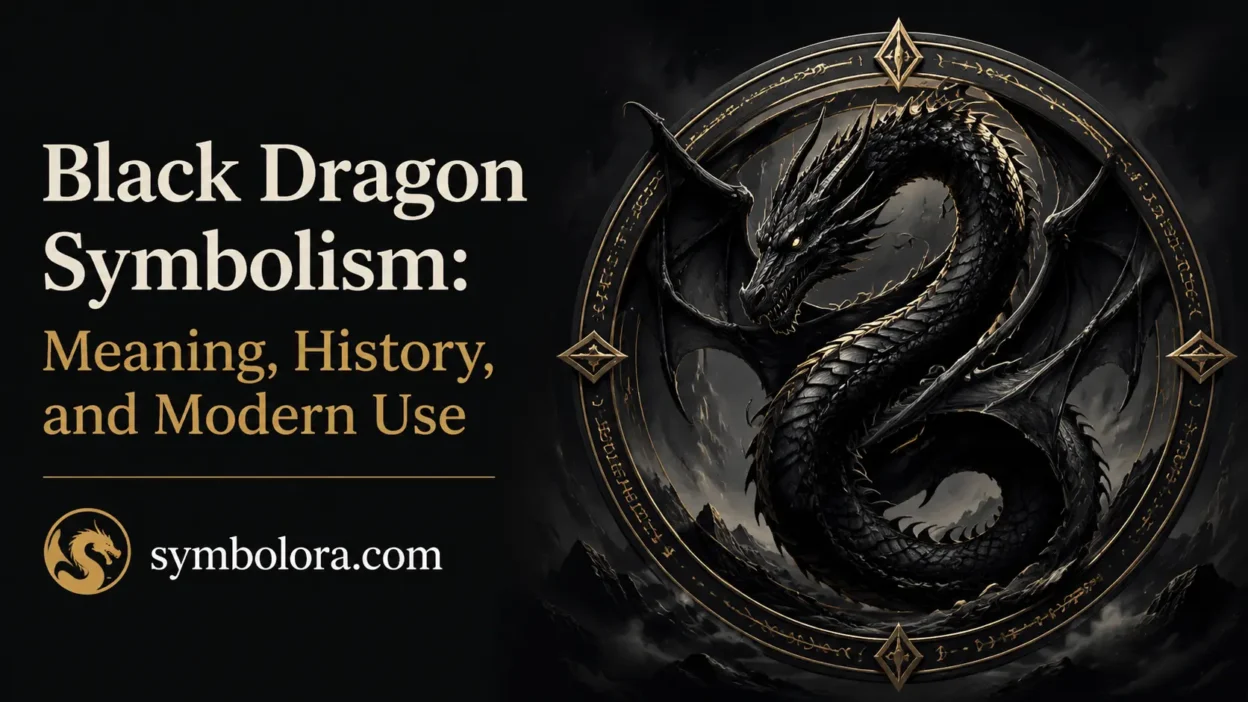
Dragons have long appeared in myths, stories, artwork, and popular culture, but their meanings change depending on their color, cultural setting, and historical context. Black dragon symbolism is often connected with mystery, transformation, strength, protection, and the unknown. In modern American culture, black dragons are frequently used in tattoos, fantasy art, fashion, and personal identity to represent qualities such as independence, resilience, and inner power.
Unlike some symbols with one fixed interpretation, the black dragon carries different meanings across traditions. In some cultures, it represents natural forces and cosmic balance, while in others it may symbolize danger, chaos, or challenges that must be overcome. Understanding these different interpretations helps explain why the black dragon remains a compelling image today.
The meaning of a black dragon often depends on the person using the symbol. For some, it reflects personal growth and overcoming difficulties. For others, it represents imagination, strength, or a connection to ancient mythology. Its modern use shows how traditional symbols continue to evolve.
Quick Answer
Black dragon symbolism commonly represents strength, transformation, mystery, and personal power in modern American culture, especially in tattoos, art, and fantasy themes. Historically, black dragons have been associated with powerful natural forces, protection, chaos, and spiritual balance in various traditions.
TL;DR
- Black dragons symbolize strength, mystery, and transformation.
- Ancient cultures linked dragons with natural and spiritual forces.
- Americans often use black dragons for identity and creativity.
- Tattoos frequently represent resilience and personal journeys.
- Color changes dragon meanings across different traditions.
- Modern media reshapes black dragon interpretations.
What Does a Black Dragon Symbolize?
The black dragon is commonly understood as a symbol of hidden strength and transformation. Its dark color often adds meanings connected with mystery, the unknown, and forces that are difficult to control.
In modern American interpretations, black dragons are rarely viewed only as threatening creatures. Many people associate them with overcoming challenges, developing confidence, and embracing personal change. A person choosing a black dragon tattoo, artwork, or design may be expressing independence, determination, or a connection to fantasy and mythology.
The symbol can also represent balance between opposing ideas. A dragon may appear dangerous because of its size and power, yet it can also represent wisdom, protection, and guardianship. The black color adds complexity by suggesting depth, seriousness, and hidden qualities.
The Physical Image Behind the Symbol
A black dragon is usually imagined as a large reptilian creature with scales, claws, wings, horns, and the ability to breathe fire. The exact appearance changes depending on the culture, artist, or story.
In Western fantasy traditions, black dragons are often shown with dark scales, sharp features, and intimidating appearances. They may represent powerful creatures that heroes must face. In modern fantasy games and movies, black dragons are frequently portrayed as ancient beings with intelligence and enormous abilities.
In contrast, some Eastern traditions describe dragons as more connected to nature, weather, water, and cosmic forces. A dark-colored dragon may symbolize a serious or mysterious aspect of these forces rather than simple evil.
The visual design influences how people interpret the symbol. A fierce-looking black dragon may suggest courage and defense, while a more elegant dragon design may communicate wisdom and transformation.
Ancient Roots and Early Dragon Symbolism
Dragon symbolism developed in many parts of the world, and different societies created their own meanings for these legendary creatures. There is no single origin for the dragon concept because similar creatures appeared independently in multiple cultures.
In ancient China, dragons were generally viewed as respected beings connected with rain, rivers, agriculture, and imperial authority. Dark dragons sometimes represented powerful natural forces and were associated with balance rather than destruction.
In European traditions, dragons often appeared in legends as guardians of treasures or dangerous creatures defeated by heroes. These stories influenced later ideas of dragons as symbols of challenges, courage, and victory.
Ancient dragon stories often reflected human relationships with nature. Storms, floods, earthquakes, and other uncontrollable events were sometimes explained through powerful mythical creatures. Dragons became symbols of forces beyond human control.
The black dragon developed its own identity because darkness was often associated with hidden knowledge, night, mystery, and the unknown. Over time, these ideas combined with dragon mythology to create a symbol with many interpretations.
Black Dragon Symbolism in the United States
In the United States, black dragons are most commonly encountered through entertainment, personal expression, and creative design rather than traditional religious practices.
American interpretations are strongly influenced by fantasy literature, movies, video games, and tattoo culture. Many people view the black dragon as a symbol of individuality, strength, and overcoming obstacles.
For some Americans, a black dragon tattoo represents surviving a difficult period of life or entering a new stage of personal growth. The dragon becomes a visual reminder of resilience and the ability to handle challenges.
The symbol also appears in:
- Fantasy artwork and collectibles
- Gaming communities
- Clothing designs
- Jewelry
- Home decoration
- Character design
Unlike older traditions where dragons had specific cultural meanings, modern American use is often personal. The same black dragon image may represent courage for one person and imagination or creativity for another.
The Meaning of the Color Black in Dragon Symbolism
Color plays an important role in how people interpret symbolic images. Black is often associated with concepts such as mystery, authority, protection, and the unknown.
When combined with the dragon, black can create a symbol that feels more serious and powerful. It may suggest hidden abilities, inner strength, or the ability to navigate difficult situations.
In American culture, black is also connected with elegance and sophistication. A black dragon design may appear dramatic and artistic rather than negative.
However, black does not always mean something dark or harmful. In many symbolic systems, darkness can represent a place of transformation, reflection, and unseen possibilities.
| Context | Meaning in the USA | Common Associations | Notes |
|---|---|---|---|
| Tattoos | Personal strength and change | Resilience, identity, growth | Often connected to life experiences |
| Fantasy Media | Powerful mythical creature | Magic, intelligence, adventure | Influenced by books and games |
| Artwork | Mystery and creativity | Imagination, dramatic style | Common in modern design |
| Ancient Traditions | Natural or spiritual forces | Balance, protection, power | Meanings vary by culture |
Black Dragons in Mythology and Folklore
Black dragons appear in different mythological traditions, but their meanings are not identical across cultures. Their symbolism often reflects how a society understands nature, power, danger, and the relationship between humans and forces beyond their control.
In some East Asian traditions, dark-colored dragons were connected with water, storms, rivers, and seasonal changes. Dragons were often respected as beings that influenced the natural world rather than creatures that existed only to create destruction. A black dragon could represent a powerful force that required respect and balance.
European folklore developed a different image of dragons. Many medieval stories described dragons as dangerous creatures guarding treasures or threatening communities. These tales often used dragons as symbols of challenges that required bravery and intelligence to overcome.
Over time, the dragon became more than a creature in legends. It became a symbol used to explore human experiences such as ambition, fear, courage, and transformation. The black dragon gained additional meanings because the color black often suggested hidden forces, secrecy, and the unknown.
Modern fantasy continues to combine these traditions. Today’s black dragons may appear as villains, protectors, ancient guardians, or wise creatures depending on the story.
Black Dragon Symbolism in Eastern and Western Traditions
The meaning of a black dragon changes significantly between Eastern and Western traditions. Understanding these differences helps explain why the symbol can represent both protection and danger.
In many Chinese traditions, dragons were associated with authority, wisdom, rain, and harmony. They were often considered positive figures connected with prosperity and balance. Dark dragons could represent powerful natural elements, especially water and weather.
Japanese dragon traditions also connected dragons with water, rivers, and spiritual forces. They were often viewed as guardians rather than purely destructive beings.
Western traditions frequently presented dragons as creatures that heroes needed to defeat. Medieval legends often connected dragons with greed, temptation, or threats to society. However, even in Western stories, dragons could also represent knowledge, guardianship, and strength.
| Tradition | Black Dragon Meaning | Main Associations |
|---|---|---|
| Chinese traditions | Powerful natural force | Water, balance, authority |
| Japanese traditions | Spiritual guardian | Rivers, protection, wisdom |
| European folklore | Challenge or danger | Courage, victory, conflict |
| Modern fantasy | Flexible personal symbol | Power, mystery, imagination |
These differences show that symbols are shaped by culture. A black dragon is not automatically good or bad; its meaning depends on the story and context surrounding it.
Emotional and Psychological Meaning of the Black Dragon
People often connect with symbols because they express feelings that are difficult to explain with words. The black dragon can represent emotional strength, personal boundaries, and the process of facing difficult experiences.
For many people, the image reflects the idea of confronting fear rather than avoiding it. A dragon is often imagined as a creature that cannot easily be controlled, making it a fitting symbol for challenges, uncertainty, and personal growth.
The black color adds another layer by suggesting qualities that are less visible, such as hidden strength, private struggles, or inner confidence. Someone may choose this symbol to represent parts of themselves that others do not immediately see.
In personal symbolism, a black dragon may communicate:
- Confidence after hardship
- Independence from outside expectations
- Protection of personal values
- Acceptance of change
- Strength during uncertain times
Psychologically, symbols like dragons can work as reminders of personal stories. A person may associate the image with a major life transition, a personal achievement, or the decision to become stronger after difficulty.
Why Black Dragons Appear in Tattoos and Personal Style
Black dragon tattoos are popular because they combine dramatic visual appeal with flexible personal meaning. Unlike symbols with one commonly accepted definition, dragons allow people to create interpretations connected to their own experiences.
Some people choose a black dragon tattoo to represent survival after a difficult period. Others use it to express confidence, creativity, or a connection to fantasy worlds.
Common tattoo meanings include:
- Strength and courage
- Transformation and new beginnings
- Protection from challenges
- Individuality and independence
- Connection to mythology
The design style also changes the message. A realistic dragon may appear powerful and traditional, while a minimalist dragon may suggest elegance and personal symbolism. Japanese-inspired dragon designs often emphasize movement, nature, and balance.
Placement can influence interpretation as well. A dragon across the back may represent protection or personal power, while a smaller design on the arm or shoulder may serve as a private reminder of personal values.
In American tattoo culture, the meaning usually comes from the person wearing it rather than from a fixed cultural rule.
Black Dragons in Jewelry, Fashion, and Home Design
Beyond tattoos, black dragons appear in jewelry, clothing, artwork, and interior decoration. Their popularity comes partly from their strong visual presence and connection to fantasy themes.
Black dragon jewelry is often chosen because it creates a bold appearance while carrying symbolic associations with confidence and individuality. Rings, pendants, and accessories featuring dragons may appeal to people interested in mythology, gaming, or alternative fashion.
In home design, dragon artwork can represent creativity, protection, or a connection to imaginative worlds. Some people display dragon sculptures or paintings because they appreciate the artistic style rather than a specific symbolic meaning.
Fashion designers often use dragon imagery to create dramatic patterns and statements. The symbol fits styles that focus on strength, rebellion, fantasy, or uniqueness.
Modern use shows how ancient symbols can move into everyday life without keeping only their original meanings.
Black Dragon Symbolism in Movies, Games, and Popular Culture
Popular culture has played a major role in shaping modern views of black dragons. Books, movies, television shows, and video games often present dragons as complex characters rather than simple monsters.
Fantasy entertainment frequently uses black dragons as powerful creatures with advanced intelligence and unusual abilities. Some stories portray them as enemies, while others present them as allies, guardians, or misunderstood beings.
Video games especially have expanded dragon symbolism. Players may encounter black dragons as bosses, companions, or legendary creatures. These portrayals often emphasize themes such as achievement, strategy, and personal growth.
Fantasy franchises have also influenced how younger generations understand dragons. Instead of seeing dragons only as frightening creatures, many people now associate them with imagination, adventure, and creativity.
The modern black dragon is therefore shaped as much by entertainment as by ancient mythology.
Common Misunderstandings About Black Dragon Symbolism
Because dragons often appear as enemies in Western stories, some people assume black dragons always represent evil. This interpretation is incomplete.
The black dragon can represent danger in certain stories, but symbolism depends on cultural background and personal meaning. Many traditions view dragons as protectors, sources of wisdom, or powerful natural beings.
Another misunderstanding is that dark colors always represent negativity. In symbolism, black can also represent elegance, authority, mystery, and transformation.
Some modern uses of dragon imagery may borrow from fictional worlds without any connection to traditional meanings. A person wearing a dragon necklace or displaying dragon artwork may simply enjoy the design.
Understanding the context prevents oversimplifying the symbol.
The Evolution of Black Dragon Meaning in Modern Culture
The meaning of the black dragon has changed as societies, technology, and storytelling have changed. Earlier traditions often connected dragons with nature, mythology, and spiritual ideas. Modern culture has expanded those meanings into personal identity and creative expression.
Today, the black dragon can represent many ideas:
- Facing personal challenges
- Building confidence
- Exploring imagination
- Protecting personal identity
- Accepting transformation
Social media and online communities have also influenced how people use symbolic imagery. Artists, tattoo creators, gamers, and fantasy fans continue to reinterpret dragons in new ways.
The symbol remains popular because it allows multiple meanings without requiring one universal interpretation.
FAQs About Black Dragon Symbolism
What does a black dragon symbolize spiritually?
A black dragon may symbolize transformation, protection, hidden strength, and balance in spiritual interpretations. However, meanings vary widely depending on cultural traditions and personal beliefs.
Is a black dragon a positive or negative symbol?
A black dragon can represent either positive or negative ideas depending on context. It may symbolize strength and protection, but some stories use it to represent danger or conflict.
What does a black dragon tattoo mean?
A black dragon tattoo often represents resilience, personal growth, courage, or individuality. Many people choose the design because it reflects their own experiences rather than a single traditional meaning.
Are black dragons important in Chinese culture?
Yes, dragons are important in Chinese culture and are often associated with nature, authority, and balance. Dark dragons may represent powerful natural forces rather than evil.
What does a black dragon represent in American culture?
In the United States, black dragons are commonly associated with fantasy, personal identity, creativity, and strength. Their meaning is often shaped by tattoos, entertainment, and individual expression.
Why are black dragons popular in fantasy?
Black dragons are popular in fantasy because their appearance creates a sense of mystery and power. Writers often use them to represent challenges, ancient knowledge, or extraordinary abilities.
Conclusion
The meaning of black dragon symbolism continues to evolve because the image combines ancient mythology with modern creativity. Across cultures, black dragons have represented forces of nature, challenges, protection, transformation, and personal strength.
In the United States today, the black dragon is often used as a personal symbol in tattoos, artwork, fashion, and entertainment. Its meaning depends on the individual, but it commonly reflects resilience, independence, and the ability to face change.
Rather than representing only darkness or danger, the black dragon shows how symbols can hold multiple meanings at once. Its lasting appeal comes from its ability to represent both the unknown and the strength people discover when they confront it.


