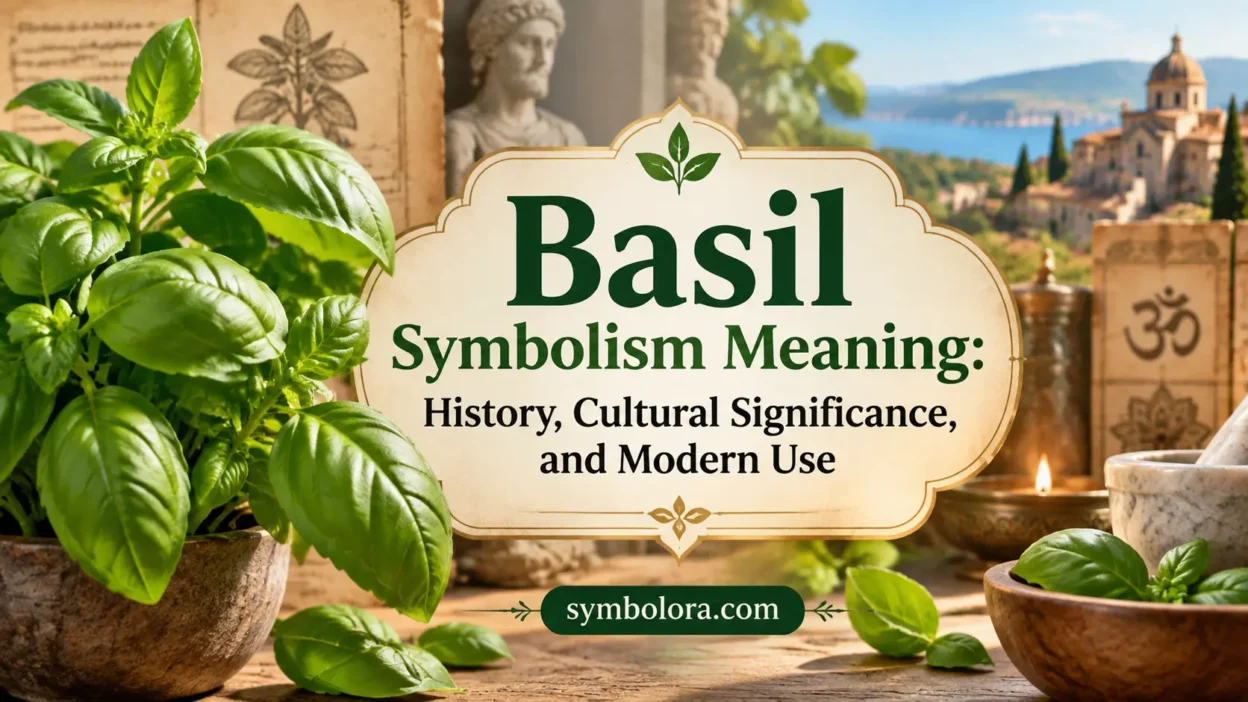
Basil symbolism meaning is connected with ideas of protection, love, prosperity, healing, and spiritual connection across many cultures. Although basil is commonly known as a kitchen herb used in sauces, teas, and gardens, people have also attached personal, religious, and cultural meanings to its green leaves and strong fragrance for thousands of years.
In modern American culture, basil is often associated with home, nourishment, fresh beginnings, and natural wellness. Many people grow basil in backyard gardens, use it in cooking, or include it in decorative spaces because it represents growth and care. Beyond its practical uses, basil carries symbolic meanings shaped by ancient traditions, religious practices, folklore, and everyday experiences.
Understanding basil’s symbolism requires looking at how different societies viewed plants as more than food sources. Across history, herbs often represented human hopes, emotions, and beliefs. Basil became connected with ideas of kindness, abundance, devotion, and protection because of the important role it played in cultural rituals and household life.
Quick Answer
Basil commonly symbolizes love, protection, prosperity, and healing in modern American culture, especially through gardening, cooking, wellness practices, and home traditions. Historically, basil has also been associated with religious devotion, spiritual protection, and cultural beliefs about good fortune in different regions.
TL;DR
- Basil symbolizes love, protection, and household happiness.
- Ancient cultures connected basil with devotion and sacred traditions.
- Americans often associate basil with food, gardens, and wellness.
- Different religions use basil in meaningful ceremonies.
- Basil tattoos represent growth, healing, and personal connection.
- Modern uses include cooking, decor, and natural lifestyles.
What Basil Looks Like and Where People Encounter It
Basil is a leafy green herb belonging to the mint family. It usually grows with soft, oval-shaped leaves, a fresh aroma, and small flowers that can appear in shades of white, purple, or pink depending on the variety.
The most familiar type in the United States is sweet basil, which appears frequently in Italian-inspired cooking, especially dishes involving tomatoes, pasta, pesto, and fresh salads. Other varieties include Thai basil, holy basil, lemon basil, and purple basil.
People encounter basil in many everyday settings:
- Home gardens
- Grocery stores
- Farmers markets
- Restaurants
- Herbal products
- Decorative kitchen plants
- Natural wellness practices
Because basil is easy to grow and useful in daily life, many people develop a personal connection with it. A small basil plant on a windowsill may represent patience, care, and the satisfaction of growing something at home.
What Basil Commonly Means in the United States
In the United States, basil does not have one single universal meaning. Instead, its symbolism changes depending on personal beliefs, cultural background, and context.
The most common modern associations include:
| Context | Meaning in the USA | Common Associations | Notes |
|---|---|---|---|
| Cooking | Comfort and nourishment | Family meals, home, hospitality | Basil is strongly linked with food traditions |
| Gardening | Growth and care | Patience, sustainability, natural living | Growing herbs represents self-sufficiency |
| Wellness | Healing and balance | Herbal practices, healthy lifestyles | Often connected with natural remedies |
| Gifts | Kindness and good wishes | Friendship, appreciation, warmth | Plants can symbolize thoughtful gestures |
| Spiritual practices | Protection and devotion | Ritual plants, personal beliefs | Meanings vary among communities |
For many Americans, basil’s symbolism comes less from formal traditions and more from everyday experiences. A person may associate basil with family dinners, summer gardens, or memories of cooking with loved ones.
Ancient Roots of Basil Symbolism
Basil has a long history that reaches back thousands of years. The plant likely originated in regions of Asia and Africa before spreading through trade routes into Europe and other parts of the world.
Ancient societies often viewed plants as valuable because they provided food, medicine, fragrance, and spiritual meaning. Basil’s strong scent and useful qualities helped it become connected with ideas of purity, protection, and respect.
In ancient Mediterranean cultures, herbs played an important role in household traditions and healing practices. People used aromatic plants not only for flavor but also for ceremonies, personal care, and symbolic purposes.
The name basil comes from the Greek word basileus, meaning “king” or “royal,” although scholars debate the exact linguistic development. This connection contributed to later associations between basil and importance, honor, and special status.
Basil Symbolism in Ancient Greek and Roman Traditions Basil Symbolism Meaning
Ancient Greeks and Romans had complex relationships with basil. Some traditions viewed the herb positively, while others connected it with caution or superstition.
In parts of ancient Mediterranean culture, basil was linked with royalty and importance because of its name and valued qualities. However, some ancient writers also described basil with negative associations, showing that plant symbolism was not always consistent.
This contrast is important because symbols often change depending on cultural beliefs. The same plant can represent different ideas in different societies.
Basil’s reputation evolved over time as communities created new meanings around its use. Its pleasant fragrance, usefulness, and connection to domestic life eventually helped strengthen positive interpretations.
Basil Symbolism in Religious Traditions
Basil holds special importance in several religious and spiritual traditions around the world. Its meaning often centers on devotion, purity, and connection between everyday life and spiritual practice.
In Hindu traditions, holy basil, known as tulsi, is considered a sacred plant. Many Hindu households grow tulsi near their homes and treat it as a symbol of devotion, protection, and spiritual discipline. It is associated with religious practices connected to deities such as Vishnu and Krishna.
In Eastern Orthodox Christian traditions, basil has been used in some ceremonies. In certain communities, basil is connected with the discovery of the True Cross according to religious tradition, although practices differ by region.
These examples show that basil symbolism is shaped by religious communities and their specific histories. The plant itself does not carry one fixed meaning; people create meaning through tradition and belief.
Why Basil Represents Love and Affection
One of the most common symbolic connections of basil is love. This association appears in several cultural traditions where basil represents affection, loyalty, and emotional bonds.
The connection between basil and love may come from its role in household life. Plants that grow near homes often become symbols of care because maintaining them requires attention and patience.
In some European folklore traditions, basil was associated with romantic relationships and courtship. Giving basil or growing it could represent positive intentions, affection, or hopes for happiness.
Today, basil’s connection with love appears in more personal ways:
- Cooking meals for someone special
- Sharing garden-grown herbs
- Giving plants as thoughtful gifts
- Creating memories around food
For many people, basil represents love expressed through actions rather than grand gestures.
Basil as a Symbol of Protection
Protection is another important meaning associated with basil. Across different cultures, people have used plants as protective symbols because they believed certain herbs could guard homes, individuals, or communities.
Historically, fragrant plants were sometimes placed in homes because people connected pleasant scents with cleanliness and safety. Basil’s strong aroma contributed to beliefs about keeping unwanted influences away.
In modern America, basil’s protective symbolism is usually interpreted more practically. People may view a basil plant as a reminder to care for their home environment, support personal wellness, or create a peaceful living space.
Some spiritual communities continue to use basil in protective rituals, but these practices vary widely and reflect individual beliefs rather than a single shared tradition.
Basil and Prosperity: Why It Represents Abundance
Basil is often connected with prosperity and good fortune because of its relationship with growth, harvest, and household well-being. A healthy basil plant produces many leaves, making it a natural symbol of abundance and continued growth.
In many cultures, plants that grow successfully near a home represent stability and good conditions. A thriving herb garden can suggest that a household is cared for and has the resources needed to flourish.
In modern American culture, basil’s prosperity symbolism appears mostly through gardening and lifestyle choices. People who grow herbs at home may see basil as a reminder of:
- Creating abundance through patience
- Building sustainable habits
- Appreciating simple resources
- Caring for the home environment
Basil is also connected with the idea that prosperity is not only financial. For many people, a successful garden, a shared meal, or a peaceful home represents a different form of wealth.
The Healing Symbolism of Basil
Basil has long been valued for its practical uses in traditional medicine and wellness practices. Because of this connection, many cultures have viewed basil as a symbol of healing and restoration.
Traditional communities used different types of basil for various purposes, including teas, aromatic preparations, and household remedies. While modern medicine evaluates herbs based on scientific evidence, the cultural association between basil and wellness remains strong.
Today, basil often symbolizes:
- Physical well-being
- Emotional balance
- Natural living
- Renewal and recovery
In the United States, basil’s healing symbolism is especially visible in gardening movements, herbal traditions, and interest in natural ingredients. A person growing basil may associate the plant with taking care of themselves and creating healthier routines.
The symbolism comes not only from the plant’s traditional uses but also from the human desire to connect with nature and daily rituals of care.
Basil Symbolism in Weddings and Relationships
Plants have frequently appeared in wedding traditions because they represent growth, commitment, and the continuation of life. Basil has also been connected with relationships in certain cultural traditions.
In some European folklore, basil was associated with romance and courtship. It sometimes appeared in stories about love, marriage, and emotional connection.
Modern wedding symbolism around basil is less common in the United States, but couples may include herbs in celebrations because they represent:
- A growing relationship
- Shared experiences
- A home built together
- Fresh beginnings
A basil plant can also serve as a meaningful gift for newly married couples because caring for the plant mirrors the attention required in a relationship.
Basil Symbolism in Home Decor and Daily Life
Plants have become popular elements in American home design because they bring natural beauty into indoor spaces. Basil, especially when grown in kitchen areas, carries symbolic meanings connected with comfort and hospitality.
A basil plant near a kitchen window may represent:
- Warmth
- Family connection
- Fresh food
- Simplicity
- Personal care
Unlike decorative objects that only display beauty, living plants require regular attention. This creates a symbolic connection between the plant and the person caring for it.
For many homeowners, basil represents the idea that small daily actions can create a welcoming and healthy environment.
Basil in Different Cultural Traditions Around the World
Basil’s meaning changes significantly across cultures. Different societies developed their own interpretations based on religion, geography, and everyday use.
| Culture or Tradition | Basil Meaning | Historical Connection |
|---|---|---|
| Hindu traditions | Devotion and spiritual protection | Holy basil (tulsi) has religious importance |
| Mediterranean cultures | Love, household life, and respect | Used in cooking and cultural practices |
| European folklore | Romance and good fortune | Appeared in stories and customs |
| Southeast Asian traditions | Purity and wellness | Various basil varieties are culturally important |
These differences show that symbols are created through human experiences. A plant’s meaning depends on how communities interact with it.
The Emotional and Psychological Meaning of Basil
People often form emotional connections with plants because they represent growth, care, and change. Basil’s symbolism reflects several common human experiences.
A growing basil plant can remind people of:
Patience: Plants develop slowly and require consistent care.
Renewal: New leaves appearing can represent fresh starts.
Connection: Sharing food made with basil can strengthen relationships.
Grounding: Caring for plants can create a sense of routine and calm.
From a psychological perspective, gardening and caring for plants are often associated with relaxation and connection to nature. The symbolic meaning of basil comes partly from these personal experiences.
For someone who grows basil every summer, the plant may represent memories, family traditions, or a connection to a particular place.
Basil Symbolism in Tattoos and Personal Expression
Plant tattoos have become popular because people often choose natural symbols to represent personal values, memories, or identity. Basil tattoos are less common than roses, trees, or lotus flowers, but they can carry meaningful interpretations.
A basil tattoo may symbolize:
- Growth after difficult experiences
- Healing and recovery
- Love for cooking or family traditions
- Connection to cultural heritage
- Appreciation for nature
Someone with a basil tattoo may choose it because of a personal story rather than a widely recognized symbolic meaning.
For example, a person who grew up cooking family recipes may use basil as a reminder of home and relationships. Another person may choose it because growing herbs helped them during a period of personal change.
Like most tattoos, the meaning depends on the individual.
Basil Symbolism in Modern Food Culture
Food is one of the strongest ways basil appears in modern American life. Its role in cooking has shaped much of its current symbolism.
Basil is strongly associated with:
- Italian-American cuisine
- Fresh ingredients
- Homemade meals
- Summer cooking
- Sharing food with others
The popularity of dishes like pesto has helped basil become a symbol of creativity and freshness in the kitchen.
In American culture, food often carries emotional meaning. A recipe passed through generations can represent family history, while a meal prepared for friends can represent hospitality. Basil becomes part of these experiences.
Its symbolism is not only about the herb itself but also about the relationships and memories created around it.
Common Misunderstandings About Basil Symbolism
Because basil has been used in many traditions, some modern interpretations can become exaggerated or inaccurate.
One common misunderstanding is that basil has one universal symbolic meaning. In reality, its meaning changes depending on cultural background, religious beliefs, and personal experiences.
Another misunderstanding is assuming that every traditional belief about basil is scientifically proven. Cultural symbolism and scientific evidence are different areas. A plant can have important cultural meaning without every traditional claim being medically confirmed.
It is also important to avoid treating religious uses of basil as identical across cultures. Holy basil in Hindu traditions, for example, has specific spiritual importance that should be understood within its own religious context.
Respectful interpretation recognizes both the history of the symbol and the diversity of beliefs connected to it.
How Basil’s Meaning Has Changed Over Time
Basil’s symbolism has developed through centuries of human interaction with the plant. Its earliest meanings were connected to practical uses, religious practices, and cultural traditions.
Over time, interpretations expanded:
- Ancient communities valued basil for practical and ceremonial purposes.
- Religious traditions gave it spiritual significance.
- Folklore connected it with love and protection.
- Modern cultures associate it with cooking, wellness, and home life.
Today, basil represents a combination of old traditions and modern experiences. A person may see it as a sacred plant, a cooking ingredient, a gardening hobby, or a reminder of family memories.
The meaning continues to evolve because symbols change alongside the people who use them.
Frequently Asked Questions About Basil Symbolism
What does basil symbolize in general?
Basil commonly symbolizes love, protection, prosperity, healing, and connection to home life. Its meaning depends on cultural background, personal experiences, and the traditions connected with its use.
In modern American culture, basil is often viewed as a symbol of fresh beginnings, healthy living, family meals, and the care people put into creating a comfortable home.
What does a basil tattoo symbolize?
A basil tattoo can symbolize personal growth, healing, family connections, or appreciation for nature. Some people choose basil because it reminds them of cooking traditions, loved ones, cultural heritage, or meaningful life changes.
Unlike symbols with fixed meanings, a basil tattoo usually reflects the personal story of the person wearing it.
Why is basil considered a sacred plant in some cultures?
Basil is considered sacred in some cultures because it has been connected with religious devotion and spiritual practices. Holy basil, or tulsi, has an important place in Hindu traditions, where it is associated with devotion, purity, and spiritual protection.
Other cultures have also respected basil because of its fragrance, usefulness, and role in traditional practices.
Does basil symbolize love?
Yes, basil is associated with love in several cultural traditions. This connection comes from folklore, household customs, and the idea that caring for plants represents patience and affection.
Today, basil may symbolize love through shared meals, thoughtful gifts, and memories created around food.
Is basil a symbol of good luck?
Basil is considered a symbol of good fortune in some traditions, although beliefs vary between cultures. Its connection with prosperity and luck often comes from its ability to grow successfully and its association with a healthy household.
In modern America, people may view basil more as a symbol of abundance, care, and positive living rather than a guaranteed sign of luck.
What does basil represent spiritually?
Spiritually, basil can represent devotion, protection, purification, and connection with nature. Different religious and spiritual communities interpret basil according to their own traditions.
There is no single spiritual meaning shared by everyone, so the interpretation depends on the belief system involved.
Why do people grow basil at home?
Many people grow basil at home because it is useful, easy to maintain, and connected with feelings of comfort and self-sufficiency. A homegrown basil plant can symbolize care, growth, nourishment, and a closer relationship with nature.
For many families, growing herbs also creates traditions and memories connected with cooking and sharing meals.
Conclusion
Basil has developed many meanings through its connection with food, religion, folklore, gardening, and personal experiences. It can represent love, protection, healing, prosperity, and the simple act of caring for something that grows.
In the United States, basil is often understood through everyday experiences: preparing meals, maintaining gardens, creating welcoming homes, and choosing natural lifestyles. While older traditions gave basil spiritual and cultural meanings, modern interpretations often focus on connection, wellness, and personal memories.
The story of basil symbolism meaning shows how ordinary plants can become meaningful parts of human life. Whether used in a recipe, grown in a garden, or chosen as a personal symbol, basil continues to represent the relationships people build with nature, tradition, and each other.


