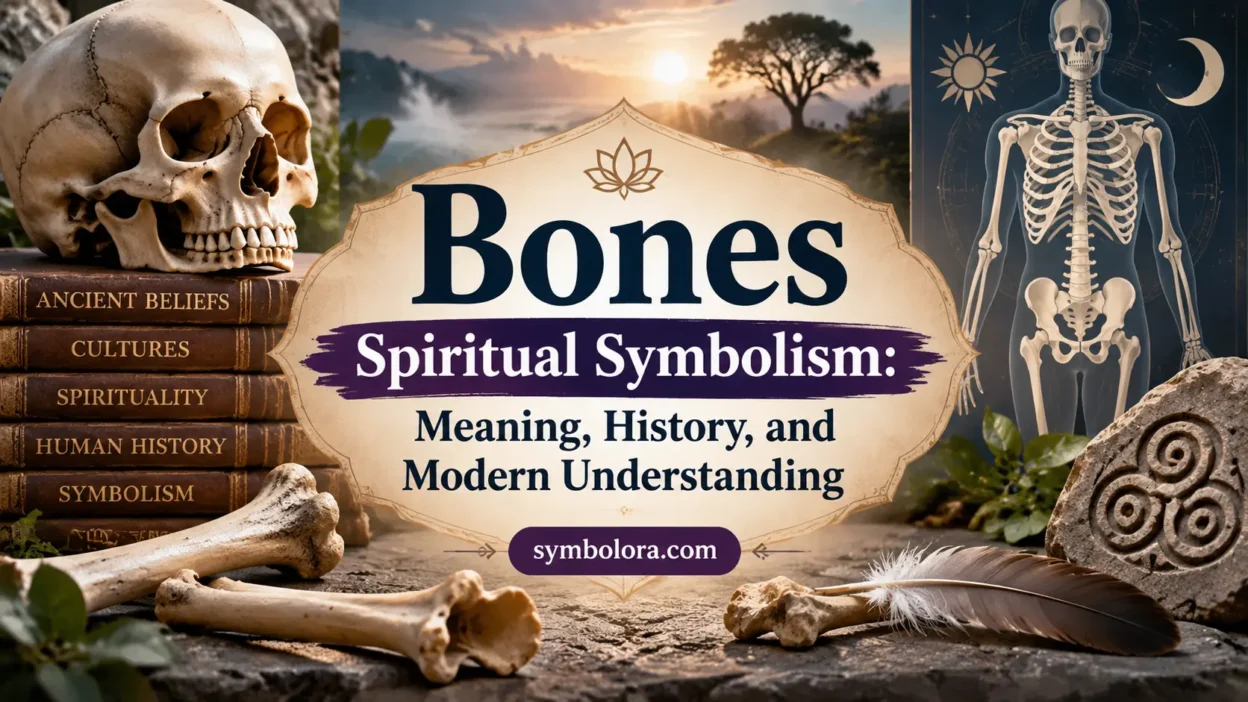
Bones have always represented more than the physical structure that supports the human body. They are what remain after life has ended, making them powerful symbols connected with mortality, ancestry, memory, transformation, and the hidden foundations of existence. Across cultures, people have looked at bones as reminders of where life comes from and what continues after physical change.
Bones spiritual symbolism commonly represents strength, ancestral connection, mortality, and transformation, especially in spiritual and cultural traditions where bones are viewed as reminders of life’s cycles. Historically, bones have also been associated with creation stories, sacred rituals, healing practices, and connections between the physical and spiritual worlds.
Quick Answer
Bones spiritual symbolism often represents strength, ancestry, transformation, and the connection between life and death. In modern American culture, bones may symbolize resilience, personal growth, remembrance, and acceptance of life’s natural cycles, while older traditions connected them with spirituality, ritual, and sacred knowledge.
TL;DR
- Bones symbolize strength, survival, and inner foundations.
- Ancient cultures linked bones with ancestors and creation.
- Americans often use bone imagery for memory and identity.
- Skulls and bones appear in art, tattoos, and rituals.
- Bone symbolism reflects change, endings, and renewal.
What Bones Represent as a Symbol
Bones are the framework of the body. They provide structure, protection, and movement, which naturally connects them with ideas of stability and endurance. Unlike skin, hair, or other parts of the body that disappear quickly after death, bones remain for much longer periods. This lasting quality has made them symbols of permanence and memory.
In spiritual traditions, bones often represent what remains when temporary parts of life fall away. They can symbolize the essential self, hidden strength, and the parts of identity that survive difficult experiences.
Many people interpret bones as a reminder that life has layers. The visible world is only one part of existence, while deeper meanings, memories, and personal history exist beneath the surface.
The Ancient Roots of Bone Symbolism
Human fascination with bones goes back thousands of years. Archaeological discoveries show that early societies treated human remains with care and often placed spiritual importance on bones.
Ancient communities sometimes preserved bones as connections to ancestors. They believed remains could maintain a relationship between the living and those who came before them.
In many early cultures, bones were not viewed only as signs of death. They represented continuation. A person’s physical remains became a link between generations, allowing families and communities to remember their origins.
Some creation myths also describe humans being formed from bone or earth-like materials. These stories often use bones as symbols of beginnings rather than endings.
The dual meaning of bones — representing both death and creation — is one reason they remain such complex symbols.
Bone Symbolism in the United States
In the United States, bone imagery carries many different meanings depending on context. It appears in Halloween decorations, medical symbols, tattoos, jewelry, artwork, and memorial practices.
For many Americans, bones are strongly connected with mortality and remembrance. A skull or skeleton image may represent acceptance of death, appreciation for life, or awareness that time is limited.
In medical settings, bones represent health, science, and the human body. The skeleton is used as an educational symbol showing structure and anatomy.
In popular culture, bones may represent mystery, adventure, danger, or curiosity. Pirates, horror films, and fantasy stories often use skulls and crossed bones as recognizable symbols.
However, modern interpretations are not limited to fear. Many people choose bone designs because they represent survival, personal transformation, or overcoming hardship.
| Context | Meaning in the USA | Common Associations | Notes |
|---|---|---|---|
| Tattoos | Strength and personal history | Survival, change, identity | Often chosen after major life events |
| Halloween | Mortality and humor | Skeletons, ghosts, mystery | Usually decorative rather than spiritual |
| Memorial art | Remembrance | Ancestors, loved ones | Focuses on connection and memory |
| Medical symbols | Knowledge and healing | Anatomy, science | Represents the physical body |
| Fashion and design | Individual expression | Rebellion, style | Meaning depends on the wearer |
Bones as Symbols of Strength and Endurance
One of the most common meanings connected with bones is strength. The skeleton allows the body to stand, move, and survive. Because of this, bones often symbolize the inner structure that helps someone remain strong during challenges.
People sometimes use bone imagery to represent emotional toughness. A person who has experienced hardship may view bones as a symbol of surviving what tried to break them.
The phrase “strong to the bone” reflects this idea. It suggests that strength is not only visible on the outside but exists deep within a person.
In spiritual interpretations, bones can represent the foundation of character. Just as bones support the body, personal values, memories, and beliefs support a person’s life.
Bones and Ancestral Connections
Many spiritual traditions view bones as a connection to ancestors. Because bones remain after death, they are often seen as physical links to previous generations.
Ancestor traditions around the world have used remains, relics, or symbolic bones to honor family history. These practices show respect for those who came before and recognize that identity is shaped by inherited experiences.
In modern American culture, this idea appears through genealogy, family memorials, and ancestor research. Although many people do not view bones in a religious way, they still connect physical remains with family stories and personal roots.
A bone can symbolize the idea that every person carries a history that began before them.
Bones in Spiritual Transformation and Rebirth
Bones often represent transformation because they are what remains after a major change. In nature, decay creates new growth, and bones can symbolize this cycle of ending and beginning again.
Many spiritual interpretations connect bones with personal transformation. A person may see old struggles, losses, or difficult experiences as parts of themselves that shaped who they became.
The skeleton also represents a hidden structure beneath appearance. This can symbolize discovering one’s true self beyond social roles, expectations, or external identity.
In this sense, bones represent the process of removing what is temporary and discovering what is essential.
Religious and Mythological Meanings of Bones
Bones appear in many religious stories and mythologies, often carrying meanings related to creation, resurrection, and spiritual change.
In some traditions, bones are connected with the idea that life can return after destruction. Stories of resurrection and renewal often use remains as symbols of restoration.
Some religious interpretations view bones as reminders of human dependence on a higher power. They represent humility because even the strongest human body eventually returns to nature.
Mythologies also use bones as symbols of origin. Stories about humans being created from bones highlight themes of identity, purpose, and connection to the universe.
The exact meaning depends on the tradition, but bones frequently represent the boundary between physical existence and spiritual understanding.
Emotional and Psychological Meaning of Bones
From a psychological perspective, bones can represent hidden parts of the self. They are not normally visible, yet they are essential for survival.
Bone imagery may communicate ideas such as:
- resilience after hardship
- acceptance of change
- awareness of mortality
- connection to personal history
- strength beneath vulnerability
Some people are drawn to bone symbols because they represent honesty. Unlike idealized images of beauty or perfection, bones reveal the reality of human existence.
They remind people that life includes both growth and decline, joy and loss.
Bones in Tattoos and Personal Expression
Bone tattoos have become popular because they allow people to express personal meanings connected with survival, identity, and transformation.
A skull tattoo may symbolize different things depending on the person. For one individual, it may represent overcoming danger. For another, it may honor someone who has passed away.
Skeleton and bone designs are also common in artistic styles such as gothic, traditional tattoo art, and fantasy-inspired designs.
Common personal meanings include:
- remembering a loved one
- accepting life’s temporary nature
- celebrating resilience
- expressing individuality
- representing personal change
The meaning comes from the wearer’s story rather than the image alone.
Bones in Native and Global Spiritual Traditions
Across different cultures, bones have carried meanings connected with ancestors, healing, protection, and spiritual knowledge. While interpretations vary widely, many traditions view bones as more than physical remains. They can represent continuity between generations and the relationship between human beings and the natural world.
In several Indigenous traditions, bones may be treated with respect because they are connected to ancestors and the history of a community. Animal bones, especially those from hunted animals, have sometimes been used in ceremonial objects, tools, or artwork as a way of honoring the relationship between humans and nature.
Some spiritual practices view animal bones as reminders of gratitude. A bone from an animal may represent the life that was given for survival and the responsibility humans have toward the natural world.
In other parts of the world, bones have appeared in religious art, sacred objects, and traditional ceremonies. The meaning is not always about death. In many cases, bones represent wisdom, memory, and the continuation of life through different forms.
The use of bones in spiritual contexts shows a common human desire to understand the connection between physical existence and deeper meanings.
Skull and Bone Imagery in Symbolic Traditions
The skull is one of the most recognizable forms of bone symbolism. Although many people associate skulls with danger or fear, their meanings are much broader.
Historically, skull imagery has often represented mortality and the temporary nature of human life. In art, the skull reminds viewers that time is limited and encourages reflection on how life is lived.
In European art traditions, skulls appeared in “memento mori” artwork, a Latin phrase meaning “remember that you will die.” These images were not created only to frighten people. They encouraged humility, reflection, and appreciation for life.
In modern America, skulls have many interpretations. Some people use skull designs to represent rebellion, independence, or strength. Others choose them as symbols of remembrance or personal transformation.
The same image can communicate different messages depending on the person, culture, and setting.
Bones and the Cycle of Life and Death
One of the strongest symbolic connections of bones is the natural cycle between life, death, and renewal.
Bones appear after the body changes, making them reminders that physical life is temporary. However, many spiritual traditions do not view this transformation as only an ending.
Instead, bones may represent a transition. They show that something remains even after visible changes occur.
This idea appears in many forms:
- ancestors continuing through family memories
- lessons surviving after difficult experiences
- nature recycling physical matter
- personal growth after major life changes
Bones symbolize the idea that endings can become foundations for something new.
Bones in Dreams and Personal Spiritual Interpretation
Some people interpret bones appearing in dreams as symbolic messages related to personal experiences. Dream interpretations vary greatly, and there is no universal meaning accepted by all cultures or psychological traditions.
Common symbolic interpretations include:
Seeing bones:
May represent hidden truths, personal foundations, or something from the past that needs attention.
Finding old bones:
May symbolize discovering forgotten memories, family history, or unresolved emotions.
Broken bones:
May represent feelings of weakness, vulnerability, or a need for healing.
Strong or healthy bones:
May reflect stability, confidence, and inner support.
These interpretations are personal rather than fixed rules. The meaning often depends on the dreamer’s emotions, experiences, and cultural background.
Bones in Healing and Medical Symbolism
Although bones are often associated with spirituality, they also have an important role in science and medicine.
The human skeleton represents structure, protection, and physical health. Medical professionals study bones to understand movement, injuries, aging, and overall wellness.
Because bones can repair themselves after fractures, they are sometimes viewed symbolically as signs of recovery and healing.
The process of bone healing can inspire spiritual interpretations about resilience. A broken bone that becomes strong again may represent the ability to recover after hardship.
This connection between physical healing and emotional healing explains why bone imagery appears in many wellness and personal growth contexts.
Common Misunderstandings About Bone Symbolism
Because bones are closely connected with death, they are sometimes misunderstood as purely negative symbols.
However, bone symbolism is not limited to fear or darkness. Across many cultures, bones represent life, ancestry, strength, and transformation.
Some common misunderstandings include:
Bones always represent death.
Death is one interpretation, but bones also symbolize survival, memory, and renewal.
Skulls always mean danger.
Skulls can represent many ideas, including awareness of life’s value and personal identity.
Bone symbols are always connected to spirituality.
Some people use bone imagery simply for artistic style, fashion, or cultural expression.
Understanding context is important. A symbol’s meaning depends on how and why it is used.
Modern Uses of Bone Symbolism in American Culture
Today, bone imagery appears throughout American culture in many forms. Its meaning changes depending on the environment.
Tattoos
Bone tattoos often represent personal stories. People may choose skeletons, skulls, or anatomical designs after surviving difficult experiences or important life changes.
Fashion
Bone patterns and skull designs appear in clothing, accessories, and jewelry. In fashion, they may communicate individuality, alternative style, or confidence.
Home Decor
Some people use bone-inspired artwork in interior design, especially in gothic, natural, or historical themes. These designs often create a connection with nature, history, or artistic expression.
Entertainment
Movies, video games, and fantasy stories frequently use skeleton imagery. In these settings, bones may represent mystery, adventure, supernatural themes, or ancient worlds.
Memorial Practices
Bone-related imagery may appear in memorial art as a reminder of loved ones and the lasting impact people leave behind.
Positive and Negative Associations of Bone Symbolism
Bone symbolism can carry both comforting and challenging meanings.
| Symbolic Meaning | Positive Interpretation | Challenging Interpretation |
|---|---|---|
| Mortality | Appreciation of life | Fear of death |
| Strength | Resilience and endurance | Hardness or emotional distance |
| Ancestors | Family connection | Memories of loss |
| Transformation | Growth and renewal | Endings and uncertainty |
| Hidden structure | Self-discovery | Facing uncomfortable truths |
The meaning depends on personal beliefs, cultural background, and the situation where the symbol appears.
How Bone Symbolism Has Changed Over Time
The meaning of bones has never remained completely fixed. Different societies have adapted the symbol according to their beliefs and experiences.
In ancient times, bones were often connected with ancestors, creation, and spiritual practices. During certain periods in European art, skulls became reminders of mortality and humility.
In modern America, bones have expanded into many areas, including fashion, entertainment, medicine, and personal expression.
Today, many people view bones less as symbols of fear and more as reminders of authenticity. They represent the reality of being human: fragile but strong, temporary but meaningful.
The Deeper Human Meaning Behind Bones
The reason bones remain important symbols is because they represent something universal. Every person has a skeleton beneath their appearance.
Bones remove the differences created by clothing, status, and social identity. They show a shared human foundation.
For some people, bones represent honesty because they reveal what exists beneath the surface. For others, they represent family history, survival, or acceptance of change.
Their meaning comes from the relationship between the physical body and human experience.
Frequently Asked Questions About Bones Spiritual Symbolism
What does bone symbolism mean spiritually?
Bone symbolism spiritually often represents strength, ancestry, transformation, and the connection between life and death. Many traditions view bones as reminders of memory, survival, and the lasting parts of existence.
What do bones symbolize in tattoos?
Bone tattoos can symbolize resilience, personal transformation, remembrance, or acceptance of mortality. The meaning usually depends on the individual’s personal story and the design chosen.
Are bones considered positive or negative symbols?
Bones can represent both positive and challenging ideas. They may symbolize strength, healing, and ancestry, while also reminding people about loss, endings, and mortality.
What do bones represent in different cultures?
Different cultures interpret bones in unique ways. Some connect them with ancestors and spiritual traditions, while others use them as symbols of creation, renewal, or respect for nature.
Why are skulls associated with symbolism?
Skulls often symbolize mortality, awareness of life’s temporary nature, and personal identity. In modern culture, they may also represent creativity, rebellion, remembrance, or artistic expression.
Do bones have a spiritual meaning in dreams?
Some people interpret bones in dreams as symbols of hidden truths, personal foundations, memories, or transformation. Dream meanings are personal and depend on the dreamer’s experiences.
Why do people find bone symbols meaningful?
People often connect with bone symbols because they represent universal human experiences such as survival, change, family history, and the reality of life and death.
Conclusion
Bones carry meanings that go far beyond their physical role in the human body. They can represent strength, ancestry, memory, transformation, and the connection between visible life and deeper personal meaning.
Throughout different cultures and time periods, bones spiritual symbolism has changed from sacred traditions and ancestral connections to modern tattoos, art, fashion, and personal identity. While bones may remind people of mortality, they also represent resilience and the parts of life that remain after change.
The lasting appeal of bone symbolism comes from its honesty. Bones show both human vulnerability and human strength, reminding us that every life has a history, a foundation, and a story that continues beyond the present moment.


