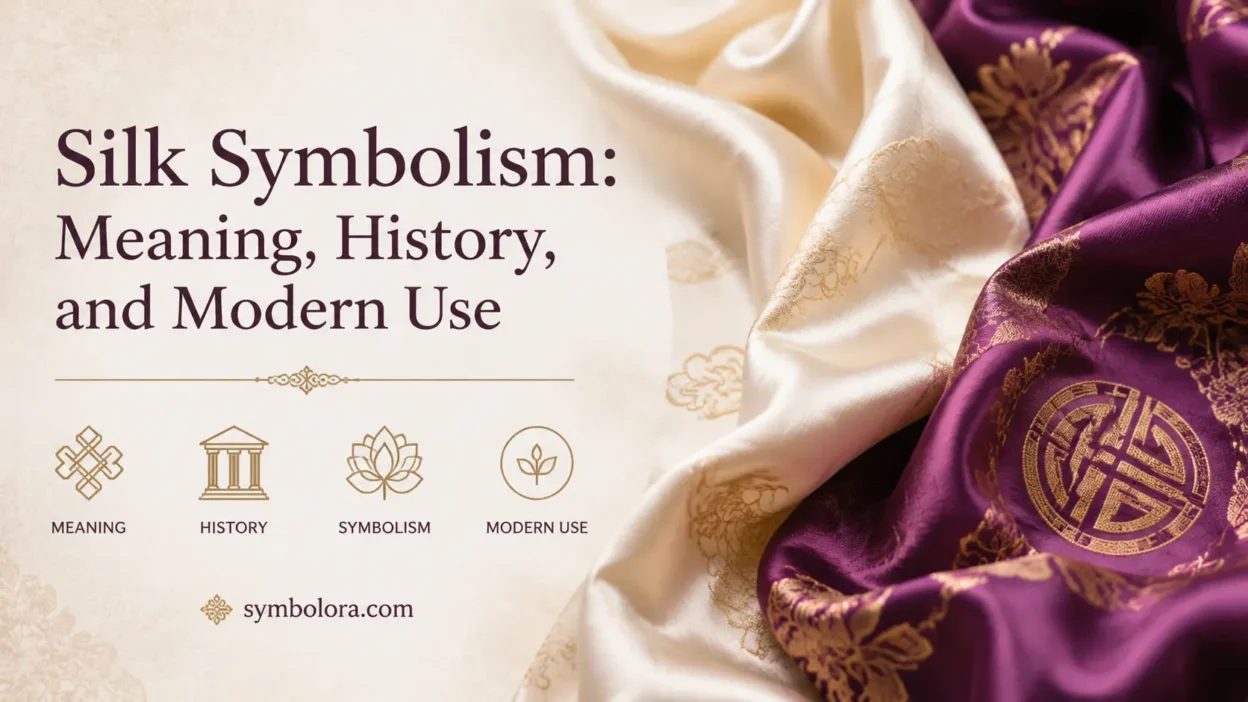
Silk has long been associated with elegance, refinement, and human creativity. From luxury clothing and wedding garments to religious objects and decorative art, silk symbolism reflects ideas of beauty, status, transformation, and craftsmanship. Although silk began as a rare material connected with ancient trade and royal traditions, Americans today often view it as a symbol of comfort, sophistication, and personal expression.
The meaning of silk comes from more than its smooth texture and attractive appearance. Across different cultures, silk has represented wealth, purity, celebration, respect, and careful attention to detail. Its history connects ancient civilizations, global commerce, fashion movements, and modern design choices.
Understanding silk’s symbolism helps explain why this fabric continues to appear in important moments, from formal clothing and home décor to artistic creations and personal style. Its meanings have changed over time, but many associations remain connected to quality, beauty, and human achievement.
Quick Answer
Silk symbolism commonly represents elegance, luxury, refinement, and personal expression in modern American culture, especially in fashion, weddings, and interior design. Historically, silk has also symbolized wealth, social status, cultural exchange, and skilled craftsmanship across many civilizations.
TL;DR
- Silk represents elegance, luxury, and refined taste.
- Ancient silk trade connected cultures across continents.
- Americans associate silk with fashion and celebration.
- Religious traditions use silk for respect and beauty.
- Modern designers view silk as artistic expression.
What Silk Looks Like and Where People Encounter It
Silk is a natural fiber known for its smooth surface, soft feel, natural shine, and lightweight structure. It is produced from the cocoons of silkworms, especially the domesticated silkworm species used in traditional silk production.
People commonly encounter silk in:
- Dresses, scarves, and formal clothing
- Wedding veils and luxury accessories
- Bedding and home decorations
- Paintings, embroidery, and artwork
- Religious garments and ceremonial objects
The physical qualities of silk contribute strongly to its symbolism. Its softness suggests comfort and care, while its shine creates associations with beauty and prestige.
Unlike ordinary fabrics, silk has historically required specialized knowledge and careful production. This connection between patience and craftsmanship became one reason many cultures viewed silk as something valuable.
What Silk Commonly Means in the United States
In the United States, silk is most often connected with sophistication, elegance, and special occasions. People frequently choose silk when they want something to feel more memorable or luxurious.
Common American interpretations include:
| Context | Meaning in the USA | Common Associations | Notes |
|---|---|---|---|
| Fashion | Elegance and confidence | Luxury clothing, personal style | Often used for formal looks |
| Weddings | Romance and celebration | Dresses, ribbons, decorations | Represents beauty and care |
| Home Design | Comfort and refinement | Bedding, curtains, décor | Adds a premium feeling |
| Gifts | Appreciation and affection | Scarves, accessories | Suggests thoughtfulness |
| Art | Creativity and craftsmanship | Painting, textiles | Highlights human skill |
Silk does not usually carry a single fixed meaning in American culture. Instead, its symbolism depends on how people use it and the emotions they want to communicate.
Ancient Roots of Silk and Its Early Symbolism
Silk production began thousands of years ago in ancient China, where the fabric became closely connected with wealth, power, and cultural achievement. For many centuries, silk was difficult to produce and expensive to obtain, making it available mainly to elites and important institutions.
Because of its rarity, silk became associated with:
- Royal authority
- Social importance
- Wealth
- Advanced craftsmanship
The movement of silk through trade routes later connected Asia, the Middle East, Europe, and other regions. The exchange of silk also carried ideas, artistic styles, and cultural influences between societies.
The famous Silk Road was not only a trading network for goods. It helped spread artistic techniques, religious ideas, and cultural traditions, giving silk a broader symbolic role as a bridge between civilizations.
Silk Symbolism in Different Cultural Traditions
Different societies developed their own interpretations of silk based on local beliefs and customs.
In Chinese traditions, silk became connected with prosperity, celebration, and refinement. It appeared in important clothing, ceremonies, and artistic works.
In many Middle Eastern cultures, silk was historically associated with luxury and high-quality craftsmanship. Decorative silk textiles often demonstrated artistic skill and social importance.
In European societies, silk became linked with aristocratic fashion and formal clothing. Elaborate silk garments often displayed wealth and social position.
In religious contexts, silk has had varied meanings. Some traditions used silk in ceremonial objects and clothing because of its beauty and association with honor, while others placed restrictions on its use based on spiritual practices.
Why Silk Represents Beauty and Refinement
Silk’s symbolic connection with beauty comes partly from its physical characteristics. The fabric reflects light naturally, creating a soft glow that distinguishes it from many other materials.
Its smooth texture also creates associations with:
- Care
- Comfort
- Sensuality
- Grace
- Attention to detail
In fashion, silk often communicates confidence without requiring bold designs. A simple silk garment can appear elegant because the material itself carries a sense of quality.
This explains why silk remains popular for items designed to create emotional impressions, including evening wear, luxury accessories, and romantic gifts.
Silk Symbolism in American Weddings and Celebrations
Silk frequently appears in American weddings because it fits themes of beauty, commitment, and celebration. Silk flowers, ribbons, dresses, and decorative elements are often chosen for their polished appearance and lasting quality.
Wedding symbolism connected with silk may include:
- Elegance during important life events
- Appreciation for craftsmanship
- A desire for beauty and tradition
Silk is also used during anniversaries, formal gatherings, and milestone celebrations. Its association with special moments makes it different from everyday fabrics.
Many people choose silk because it creates an atmosphere of care and importance rather than because of a specific symbolic rule.
Silk in Fashion, Identity, and Personal Style
Modern fashion uses silk as a way for people to communicate identity. A silk shirt, scarf, or dress can suggest confidence, creativity, or a preference for classic style.
In American fashion culture, silk may represent:
- Professional elegance
- Individual taste
- Luxury without excess
- Appreciation for quality materials
Designers often use silk because it can appear both traditional and modern. The same fabric can create a vintage-inspired look or a contemporary minimalist style.
For many people, wearing silk is less about showing wealth and more about expressing personality and choosing something that feels special.
Emotional and Psychological Associations of Silk
Materials influence how people experience spaces and clothing. Silk often creates emotional associations because of its texture and appearance.
Psychologically, silk may suggest:
- Calmness through softness
- Confidence through refined appearance
- Comfort through physical touch
- Celebration through visual beauty
A silk pillowcase, scarf, or garment may create feelings connected with relaxation and self-care.
These associations are not universal, but they show why people continue choosing silk for items connected with personal experiences.
Silk in Home Décor and Interior Design
Interior designers use silk to create spaces that feel elegant and carefully designed. Silk curtains, cushions, and decorative fabrics often appear in rooms where people want a refined atmosphere.
In American homes, silk décor can communicate:
- Traditional elegance
- Artistic appreciation
- Attention to detail
However, modern design often combines silk with simpler materials to create balance. Instead of representing only wealth, silk can now represent thoughtful design choices and personal taste.
Silk Symbolism in Art and Creative Expression
Artists have used silk as both a material and a subject. Silk paintings, embroidery, and textile artwork demonstrate patience, precision, and creativity.
The symbolism of silk in art often connects with:
- Human imagination
- Cultural heritage
- Skilled craftsmanship
Because silk requires careful handling, artists often view it as a material that rewards patience and technique.
Today, silk continues appearing in contemporary fashion, digital design inspiration, and handmade crafts.
Why Silk Appears in Gifts and Personal Connections
Silk gifts are often chosen because they communicate appreciation and thoughtfulness. A silk scarf, robe, or accessory can feel more personal than an ordinary item because the material suggests care.
Common symbolic messages behind silk gifts include:
- Respect
- Affection
- Celebration
- Appreciation
In American culture, silk gifts are often associated with birthdays, anniversaries, holidays, and meaningful personal milestones.
Silk in Modern Culture and Digital Expression
Modern culture has expanded the meaning of silk beyond traditional uses. Social media, fashion influencers, and lifestyle brands often present silk as part of wellness, beauty, and personal style.
Today, silk appears in:
- Fashion photography
- Luxury branding
- Lifestyle content
- Beauty routines
- Interior inspiration
Online culture often frames silk as a symbol of intentional living, where people choose quality, comfort, and aesthetics.
Common Misunderstandings About Silk Symbolism
Because silk has historically been connected with wealth, some people assume it always represents status or privilege. While that association exists, modern meanings are broader.
Silk can represent craftsmanship, comfort, creativity, and personal enjoyment without being connected to social class.
Another misunderstanding is that silk has one universal meaning. In reality, symbolism changes depending on culture, situation, and personal experience.
The same silk garment may represent celebration in one setting and artistic expression in another.
How Silk Symbolism Has Changed Over Time
Silk’s meaning has evolved from a rare luxury material reserved for elites into a widely recognized symbol of quality and beauty.
Earlier meanings focused heavily on:
- Wealth
- Power
- Social rank
Modern interpretations often emphasize:
- Personal style
- Comfort
- Creativity
- Sustainable appreciation of craftsmanship
Although silk is still considered a premium material, its symbolism has become more accessible. People now use it to express individuality rather than only social position.
Frequently Asked Questions
What does silk symbolize in American culture?
Silk commonly symbolizes elegance, quality, comfort, and refined personal style in the United States. It is especially connected with fashion, weddings, gifts, and home design.
Does silk have a spiritual meaning?
Silk has spiritual meanings in some cultures and religious traditions, where it may represent honor, purity, beauty, or ceremonial importance. Interpretations vary depending on the belief system.
What does wearing silk symbolize?
Wearing silk can symbolize confidence, sophistication, and appreciation for quality materials. Many people choose silk because it feels luxurious and expresses personal style.
What does silk symbolize in weddings?
In weddings, silk often represents elegance, celebration, and careful preparation. It appears in dresses, decorations, flowers, and accessories because of its graceful appearance.
Is silk symbolism always positive?
Most interpretations of silk are positive, focusing on beauty, craftsmanship, and refinement. However, historical connections with wealth and social class can create different opinions depending on context.
Why is silk considered a luxury symbol?
Silk became a luxury symbol because it required specialized production and was historically difficult to obtain. Its rarity, appearance, and craftsmanship contributed to its reputation.
What does silk represent in modern design?
In modern design, silk represents comfort, elegance, and thoughtful aesthetics. Designers often use it to create spaces and products that feel refined and visually appealing.
Conclusion
Silk has carried meanings connected with beauty, craftsmanship, celebration, and human creativity across many cultures. While its early history emphasized rarity and status, modern interpretations focus more on personal expression, comfort, and artistic value.
Today, silk symbolism continues to appear in fashion, weddings, décor, and creative work because the material combines physical beauty with cultural history. Its meaning depends on how people use it, but it remains a reminder of careful craftsmanship and the desire to create meaningful experiences.


