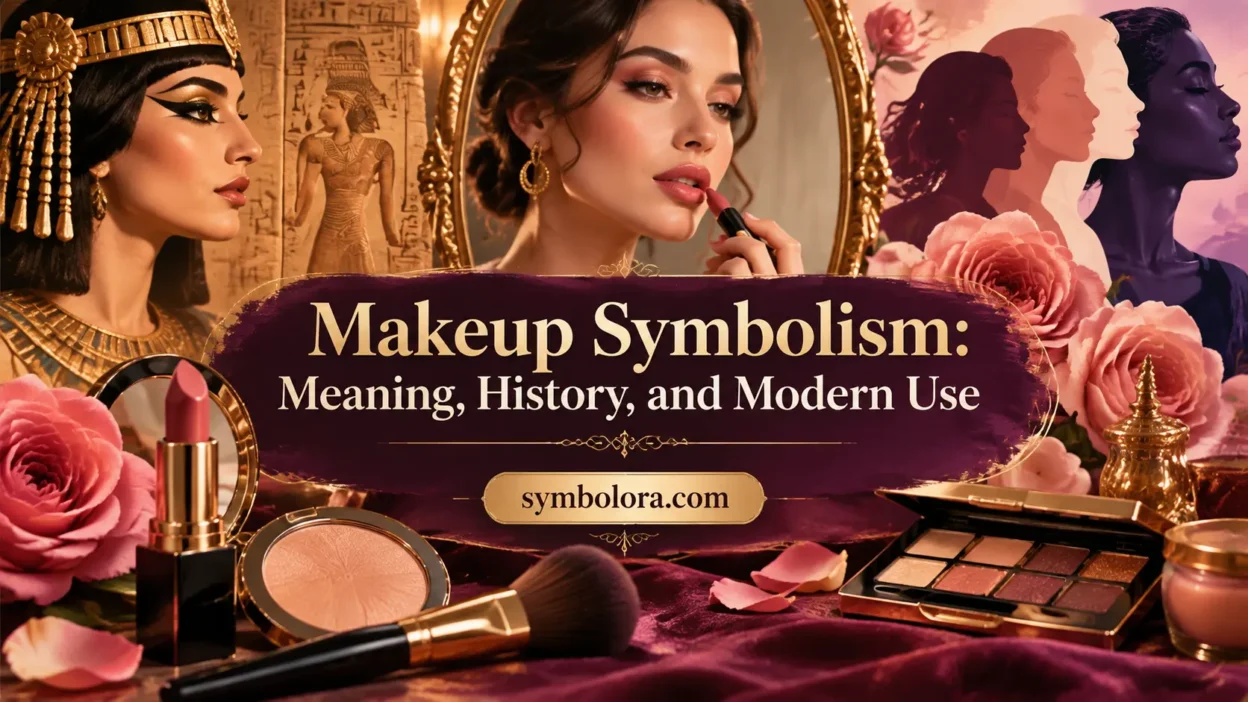
Makeup has long been more than a way to change appearance. Makeup symbolism reflects ideas about identity, confidence, beauty, social roles, creativity, and personal expression. In the United States, cosmetics can represent everything from professional presentation and cultural traditions to individuality and artistic freedom.
People use makeup to communicate without words. A bold lipstick shade may signal confidence, dramatic eye makeup may express creativity, and natural-looking styles may represent simplicity or authenticity. The meanings attached to cosmetics have changed across cultures and generations, but makeup remains closely connected to how people present themselves to the world.
Quick Answer
Makeup symbolism commonly represents self-expression, confidence, identity, and personal creativity in modern American culture. Historically, cosmetics have also symbolized social status, cultural traditions, beauty ideals, and ceremonial roles across different societies.
TL;DR
- Makeup symbolizes identity, creativity, and personal expression.
- Ancient cultures used cosmetics for beauty and social meaning.
- Americans often connect makeup with confidence and individuality.
- Colors and styles communicate different emotions and messages.
- Makeup appears in fashion, art, rituals, and digital culture.
What Makeup Represents in Modern American Culture
In the United States, makeup is often viewed as a tool for self-expression rather than simply a method of improving appearance. Many people use cosmetics to highlight personality, match a mood, celebrate special occasions, or create a specific image.
For some, makeup represents confidence. Applying foundation, lipstick, eyeliner, or other products can become part of a daily routine that helps people feel prepared for work, social events, or public appearances.
For others, makeup represents creativity. Artists, performers, and everyday users experiment with colors, textures, and styles to create visual statements. Makeup can function similarly to clothing, hairstyles, or tattoos by showing personal taste and identity.
At the same time, makeup carries different meanings depending on the person using it. One individual may see cosmetics as a form of empowerment, while another may view them as a connection to tradition, professionalism, or artistic expression.
The Physical Meaning of Makeup as a Symbol
Makeup includes products applied to the face or body to change, enhance, or decorate appearance. Common examples include:
- Foundation and concealer
- Lipstick and lip gloss
- Eyeshadow and eyeliner
- Mascara
- Blush and contour products
- Face paint and artistic cosmetics
Symbolically, makeup represents transformation because it allows people to alter their visible appearance. However, transformation does not always mean hiding the “real” self. Many people use cosmetics to emphasize features they already value.
The symbolism of makeup often depends on intention. A person wearing theatrical makeup creates a different message than someone applying a subtle everyday style.
Ancient Roots and Early Cosmetic Symbolism
The use of cosmetics dates back thousands of years. Ancient civilizations developed beauty practices that carried social, religious, and cultural meanings.
In ancient Egypt, cosmetics were connected with beauty, protection, and status. Eye cosmetics made from minerals were used by both men and women. Dark eye designs were not only decorative but also connected with beliefs about protection and health.
Ancient Greeks and Romans used cosmetics to represent beauty ideals and social position. Pale skin, scented oils, and carefully styled appearances often reflected wealth because maintaining such routines required time and resources.
In parts of Asia and the Middle East, cosmetic traditions developed alongside cultural ideas about elegance, ceremony, and identity. Makeup often appeared in celebrations, performances, and important social events.
These historical examples show that cosmetics have rarely been only about appearance. They have often communicated belonging, status, values, and cultural expectations.
Makeup Symbolism in the United States
The meaning of makeup in America has changed significantly over time. In earlier periods, cosmetics were sometimes associated with stage performers, entertainers, or specific social groups. Over time, makeup became widely accepted as part of everyday personal care.
During the 20th century, cosmetics became closely connected with Hollywood, fashion, and advertising. Movie stars influenced beauty trends, and makeup styles often reflected changing ideas about femininity, glamour, and modern identity.
Today, American makeup culture includes many different perspectives:
| Context | Meaning in the USA | Common Associations | Notes |
|---|---|---|---|
| Daily makeup | Confidence and presentation | Work, routine, self-care | Often part of personal style |
| Bold makeup | Creativity and individuality | Fashion, art, performance | Used for visual expression |
| Wedding makeup | Celebration and tradition | Beauty, preparation, ceremony | Connected with major life events |
| Stage makeup | Transformation and storytelling | Theater, entertainment | Designed for audiences |
| Natural makeup | Simplicity and authenticity | Minimalism, comfort | Focuses on subtle enhancement |
Modern American culture generally treats makeup as a personal choice. People may wear it for themselves, for professional settings, for artistic reasons, or for cultural events.
Colors and Their Symbolic Meanings in Makeup
Color plays a major role in cosmetic symbolism. Different shades can communicate different emotions, although meanings vary depending on culture and personal preference.
Red Makeup
Red lipstick is one of the most recognized cosmetic symbols. In American culture, red often connects with confidence, attraction, boldness, and glamour.
Historically, red cosmetics have appeared in different forms across cultures, sometimes representing vitality, beauty, or social identity.
Pink Makeup
Pink shades are often associated with softness, youthfulness, romance, and playfulness. However, modern makeup users also use pink to create energetic or artistic looks.
Black Makeup
Black eyeliner and dark eye makeup can symbolize mystery, strength, creativity, or dramatic expression. It has strong connections with fashion movements, music scenes, and alternative styles.
Nude Makeup
Neutral makeup styles often represent simplicity, natural beauty, and understated elegance. In modern American beauty culture, “natural” looks are frequently associated with authenticity.
Makeup as a Symbol of Identity and Self-Expression
One of the strongest modern meanings of makeup is identity. Cosmetics allow people to communicate aspects of themselves visually.
Some individuals use makeup to express:
- Cultural heritage
- Gender expression
- Artistic interests
- Personal confidence
- Mood and personality
The rise of beauty creators and online communities has expanded how people understand makeup. Social media platforms have allowed makeup to become a form of digital storytelling, where users share techniques, styles, and creative designs.
For many people, makeup is not about becoming someone else. It is about showing a chosen version of themselves.
Emotional and Psychological Meaning of Makeup
Makeup can influence emotions because appearance is connected with self-perception and social interaction.
Many people describe makeup routines as calming or enjoyable experiences. The process of choosing colors, applying products, and creating a finished look can provide a sense of control and creativity.
Cosmetics may also help people feel more prepared in situations such as:
- Job interviews
- Public speaking
- Celebrations
- Photography
- Social gatherings
However, makeup does not have the same emotional meaning for everyone. Some people enjoy wearing cosmetics, while others prefer a makeup-free appearance. The symbolism depends on individual choice and personal experiences.
Makeup in Weddings, Celebrations, and Rituals
Makeup plays an important role in many celebrations. In American weddings, bridal makeup often represents preparation, beauty, and marking a significant life event.
Special-event makeup can symbolize:
- Celebration
- Confidence
- Respect for tradition
- Personal transformation
Beyond weddings, cosmetics appear in holidays, performances, cultural festivals, and artistic events. Face painting and decorative makeup are often used to show participation, creativity, or connection with a community.
Makeup Symbolism in Fashion and Pop Culture
Fashion and entertainment have greatly influenced how makeup is understood today.
Musicians, actors, and fashion designers often use makeup to create recognizable images. Stage performers may use exaggerated cosmetics to communicate emotions or characters that audiences can immediately understand.
Examples include:
- Dramatic eye makeup in music performances
- Fantasy makeup in movies
- Editorial makeup in fashion photography
- Special-effects makeup in entertainment
Pop culture has expanded makeup beyond traditional beauty standards and introduced new forms of artistic expression.
Why People Choose Makeup for Tattoos, Art, and Personal Style
Some people connect makeup symbolism with permanent forms of expression, including tattoos and body art.
A makeup-inspired tattoo may represent:
- Creativity
- Beauty appreciation
- Performance
- Personal transformation
Makeup imagery can also appear in artwork, photography, and design because cosmetics are visually recognizable symbols of identity and change.
Unlike actual makeup, permanent designs often represent a lasting connection to a certain idea or personal experience.
Cross-Cultural Meanings of Cosmetics
Cosmetic symbolism differs around the world.
In some cultures, makeup is closely connected with ceremonies and traditional clothing. In others, it may represent social position, artistic identity, or beauty standards.
Examples include:
- Traditional face painting in cultural ceremonies
- Decorative cosmetics in performance arts
- Bridal makeup traditions
- Religious or festival-related appearances
These differences show that makeup does not have one universal meaning. Its symbolism develops from social values, history, and local customs.
Common Misunderstandings About Makeup Symbolism
Makeup has sometimes been misunderstood because people attach different assumptions to cosmetic use.
A common misconception is that wearing makeup always means someone lacks confidence. Many people use cosmetics precisely because they feel confident and enjoy creative expression.
Another misunderstanding is that makeup always represents vanity. While appearance can be part of cosmetic use, makeup can also represent art, identity, tradition, and personal choice.
The meaning of makeup depends on the person, purpose, and cultural setting.
How Makeup Symbolism Has Changed Over Time
The meaning of cosmetics has continuously evolved.
In ancient societies, makeup often communicated status, protection, or cultural identity. In later periods, cosmetics became connected with fashion and social expectations.
Today, makeup represents a wider range of ideas:
- Individual freedom
- Creativity
- Inclusion
- Professional presentation
- Artistic exploration
Modern beauty culture has expanded beyond a single definition of attractiveness. Different styles and choices can represent different forms of identity.
Modern Uses of Makeup Symbolism
Today, makeup appears in many areas beyond traditional beauty routines.
Common modern uses include:
- Beauty and fashion industries
- Social media content
- Film and television
- Photography
- Drag and performance art
- Personal branding
- Creative expression
Digital culture has made makeup symbolism more visible because people can instantly share styles, tutorials, and artistic creations worldwide.
Frequently Asked Questions
What does makeup symbolize spiritually?
Makeup can symbolize transformation, celebration, identity, and personal expression in spiritual or cultural settings. The meaning depends on the tradition and the purpose behind its use.
What does wearing makeup symbolize in American culture?
In the United States, wearing makeup often symbolizes confidence, creativity, professionalism, or personal style. Many people view it as a form of self-expression rather than a requirement.
What does makeup symbolize in dreams?
Dream interpretations vary, but makeup in dreams is sometimes associated with appearance, identity, confidence, or how someone wants to be perceived by others.
Why is makeup important in fashion?
Makeup is important in fashion because it helps create complete visual styles. Designers and artists use cosmetics to communicate themes, emotions, and creative concepts.
Does makeup always symbolize beauty?
No. Makeup can symbolize many things beyond beauty, including creativity, performance, cultural traditions, identity, and transformation.
What does makeup symbolize in tattoos?
Makeup tattoos may represent artistic passion, confidence, transformation, performance, or an appreciation for beauty and creativity.
Conclusion
Makeup symbolism reflects the many ways people communicate identity, emotion, creativity, and cultural values. In the United States, cosmetics are often understood as a personal choice that can represent confidence, artistic expression, and individual style.
From ancient cosmetic traditions to modern beauty communities, makeup has remained connected with how people present themselves and participate in culture. Makeup symbolism continues to evolve as new generations create their own meanings through color, design, and personal expression.
The meaning of makeup is ultimately shaped by the person wearing it, making cosmetics one of the most flexible symbols of human creativity and identity.


