
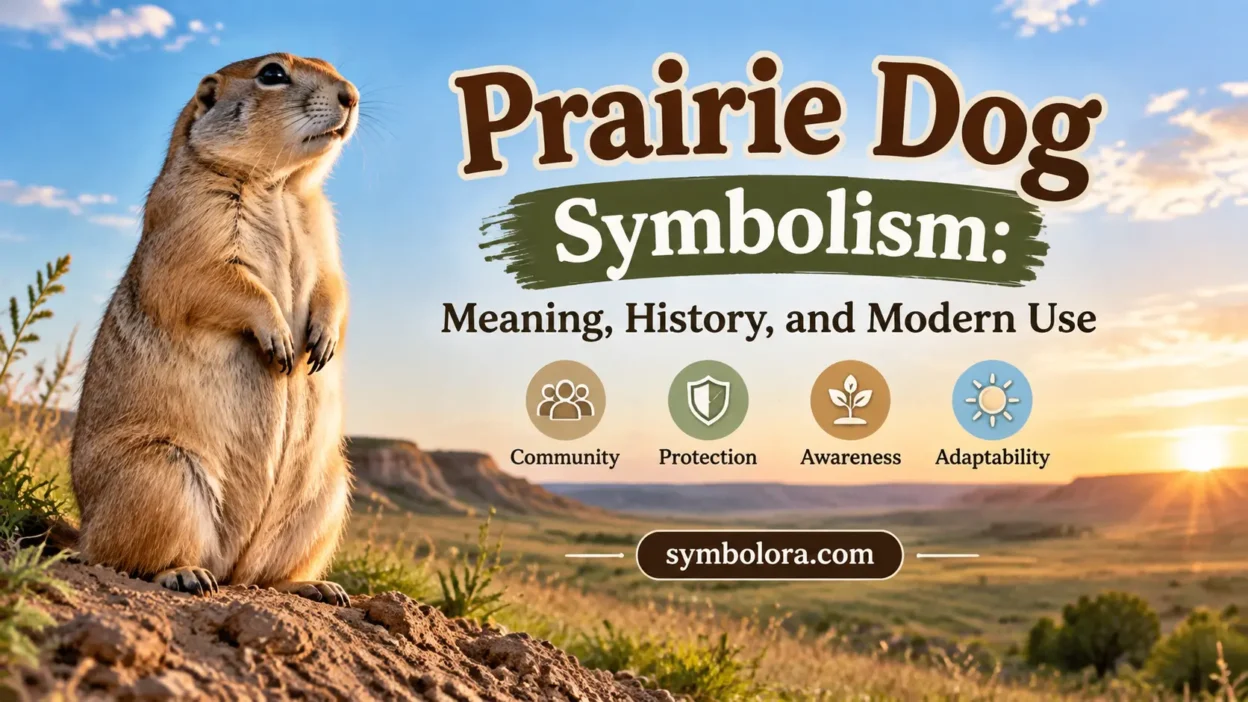
Prairie dog symbolism often represents community, communication, cooperation, and adaptability in modern American culture. These small burrowing animals are known for living in organized colonies, using complex calls, and working together to survive across the grasslands of North America.
Unlike many animals that symbolize strength through size or dominance, prairie dogs represent the importance of connection, awareness, and social responsibility. Their underground homes, watchful behavior, and cooperative lifestyle have shaped how people understand them in folklore, wildlife education, art, and personal symbolism.
In the United States, prairie dogs are closely connected with the Great Plains and the relationship between humans and natural ecosystems. Their presence reminds people of shared spaces, environmental balance, and the value of communities working together.
Quick Answer
Prairie dog symbolism commonly represents community, communication, teamwork, and awareness in modern American culture. Historically, prairie dogs have also been associated with cooperation, survival, connection to the land, and respect for natural communities.
TL;DR
- Prairie dogs symbolize teamwork and strong social bonds.
- Their colonies represent cooperation and shared responsibility.
- Native traditions connected them with land and survival.
- Their calls symbolize communication and awareness.
- Modern use appears in art, education, and conservation.
- They reflect balance between humans and nature.
What Prairie Dogs Represent in American Symbolism
Prairie dogs are small rodents native to the grasslands of North America. They are famous for creating underground colonies, sometimes called “towns,” where hundreds or thousands of individuals may live together. Their social behavior strongly influences their symbolic meaning.
In American symbolism, prairie dogs are often connected with:
| Context | Meaning in the USA | Common Associations | Notes |
|---|---|---|---|
| Community | Cooperation and belonging | Families, neighborhoods, teamwork | Based on colony life |
| Communication | Awareness and sharing information | Vocal signals, connection | Inspired by warning calls |
| Nature | Environmental balance | Grasslands, wildlife protection | Linked with ecosystems |
| Personal Identity | Loyalty and social responsibility | Friendship, support networks | Used in creative symbolism |
| Survival | Adaptability and preparation | Resilience, resourcefulness | Connected with harsh landscapes |
The prairie dog’s symbolism comes less from appearance and more from behavior. It does not represent power through aggression. Instead, it reflects how groups survive by staying connected and alert.
The Natural Traits Behind Prairie Dog Symbolism
Understanding prairie dog symbolism begins with observing the animal itself. Prairie dogs are highly social creatures that spend much of their lives interacting with others. Their colonies include family groups, shared tunnels, and organized behaviors that help protect the community.
One of their most noticeable traits is communication. Prairie dogs use different calls to warn each other about possible threats, including predators. This behavior has helped create associations with awareness, observation, and sharing important information.
Their underground homes also contribute to their symbolism. Burrows provide protection from weather and danger, making prairie dogs symbols of preparation, security, and creating a safe foundation.
Unlike solitary animals that represent independence, prairie dogs often symbolize the idea that survival can depend on cooperation.
Ancient Roots and Early Cultural Associations
Long before modern conservation discussions, prairie dogs were part of the natural world experienced by Indigenous peoples of the Great Plains. Different Native nations developed their own relationships with prairie ecosystems, and animals were often understood through practical, spiritual, and cultural connections.
Prairie dogs were recognized as important members of grassland environments. Their burrowing activity affected soil health, created habitats for other species, and influenced the landscape around them.
Some Indigenous traditions viewed animals as teachers that could reveal lessons about living respectfully with nature. While interpretations varied between nations, prairie animals often carried associations with balance, survival, and relationships between living beings.
It is important to avoid treating all Indigenous cultures as having one shared belief system. Meanings depended on specific communities, locations, and traditions.
Prairie Dog Symbolism in Native American Traditions
Prairie dogs lived alongside many Plains cultures, where animals were often connected with stories, teachings, and observations of the natural world.
Rather than symbolizing a single universal idea, prairie dogs could represent practical lessons:
- Working together increases survival.
- Communities depend on cooperation.
- Small creatures can have important roles.
- The land contains interconnected relationships.
Their underground homes may also inspire ideas about hidden knowledge, protection, and connection to the earth.
In many Indigenous perspectives, animals are not simply symbols placed onto nature. They are living relatives and important parts of a larger ecological system. This difference matters when discussing animal symbolism respectfully.
Why Prairie Dogs Symbolize Community and Cooperation
The strongest modern association with prairie dogs comes from their social structure. Prairie dogs live in groups where individuals share responsibilities and respond to threats together.
Their colonies demonstrate several qualities people commonly value:
- Communication between members
- Protection of family groups
- Shared living spaces
- Cooperation during danger
- Dependence on relationships
Because of these behaviors, prairie dogs can symbolize healthy communities. They remind people that individual actions affect the larger group.
In American culture, this meaning connects with ideas such as neighborhoods, teamwork, friendship, and collective responsibility. The prairie dog represents a different kind of strength — one created through relationships rather than individual dominance.
Communication and Awareness as Symbolic Meanings
Prairie dogs are especially known for their alert behavior. A prairie dog standing upright near its burrow is a familiar image of watchfulness.
This posture has influenced symbolic interpretations related to:
- Paying attention
- Recognizing changes
- Protecting others
- Staying informed
Their warning calls show how communication can protect a community. A single prairie dog noticing danger can help many others respond.
For humans, this symbolism can represent the importance of speaking up, sharing knowledge, and remaining aware of surroundings.
In modern life, where communication happens through phones, social networks, and digital platforms, prairie dogs offer a natural example of how information connects groups.
Prairie Dog Symbolism in the United States
In the United States, prairie dogs are strongly connected with the identity of the Great Plains. They represent landscapes shaped by grasslands, wildlife, agriculture, and the ongoing relationship between people and the natural environment.
For many Americans, prairie dogs symbolize the idea that every species has a role in an ecosystem. Their burrows provide shelter for other animals, and their activity influences soil conditions and grassland habitats. Because of this, they have become associated with ecological connection and environmental awareness.
The prairie dog also represents a disappearing relationship with open landscapes. As cities expand and grasslands change, prairie dogs have become a reminder of the importance of protecting native habitats.
Their symbolism appears in:
- Wildlife education programs
- Conservation campaigns
- Nature photography
- Children’s books
- Regional artwork
- Environmental discussions
In this context, the prairie dog is not only an animal symbol but also a representation of the American prairie itself.
The Emotional and Psychological Meaning of Prairie Dogs
Animal symbols often reflect qualities people recognize in themselves. Prairie dogs are commonly associated with emotional themes related to belonging, trust, and responsibility.
Their social behavior can represent the human desire for connection. People who identify with prairie dog symbolism may appreciate ideas such as:
- Building supportive relationships
- Protecting loved ones
- Creating safe spaces
- Staying connected with a community
The prairie dog’s habit of living underground can also suggest emotional security. Burrows represent a protected place where individuals can rest, recover, and prepare for challenges.
At the same time, the prairie dog’s alert nature represents emotional awareness. It reflects the ability to notice problems early and respond thoughtfully instead of ignoring warning signs.
Unlike symbols based on fear or aggression, prairie dog symbolism focuses on cooperation and careful observation.
Spiritual Interpretations of Prairie Dog Symbolism
Prairie dogs are not among the most common spiritual symbols in popular culture, but some people interpret their natural behaviors through spiritual ideas connected with animals and the earth.
Common spiritual interpretations include:
Connection with community:
Prairie dogs may represent the belief that people are stronger when they maintain meaningful relationships.
Grounding and stability:
Because prairie dogs live close to the earth and create underground homes, they may symbolize staying grounded and connected to one’s foundation.
Awareness and intuition:
Their watchful behavior can represent paying attention to surroundings and trusting observations.
Balance with nature:
Their role in grassland ecosystems can inspire ideas about respecting natural systems.
These interpretations are personal and vary among individuals. Prairie dog symbolism does not have one universal spiritual meaning shared across all cultures.
Prairie Dogs and Their Connection to the Earth
The prairie dog’s relationship with the land is one of its most important symbolic qualities. These animals transform their environment by creating underground networks that affect the prairie ecosystem.
Their burrows can provide homes for other species, while their movement helps shape grassland habitats. This relationship has led many people to view prairie dogs as symbols of environmental interconnectedness.
They represent the idea that even small creatures can influence larger systems.
This message appears in modern environmental thinking: every part of nature contributes to overall balance. The prairie dog shows that importance is not always measured by size.
A small animal living quietly beneath the grass can have a significant impact on the world around it.
Prairie Dog Symbolism in Art, Design, and Creativity
Prairie dogs appear less frequently in mainstream art than animals such as wolves, eagles, or bears, but they hold a meaningful place in regional and nature-focused creativity.
Artists may use prairie dogs to express themes such as:
- Rural identity
- Connection to the land
- Simplicity of prairie life
- Community values
- Wildlife preservation
In Western American art, prairie animals often represent the character of open landscapes. Prairie dogs can appear in paintings, illustrations, murals, and educational materials focused on the Great Plains.
Their image often creates a feeling of familiarity and natural balance rather than danger or mystery.
Prairie Dog Tattoos and Personal Identity
Prairie dog tattoos are uncommon compared with more popular animal designs, but people who choose them often connect with specific meanings.
A prairie dog tattoo may symbolize:
| Tattoo Meaning | Personal Connection |
|---|---|
| Community | Appreciation for family and friendships |
| Awareness | Staying alert and observant |
| Nature | Love for wildlife and the outdoors |
| Resilience | Adapting to difficult situations |
| Home | Creating safety and belonging |
Someone may choose a prairie dog tattoo because of a connection to the American West, childhood memories, environmental values, or admiration for social animals.
The meaning depends on the person’s own experience rather than a fixed interpretation.
Prairie Dog Symbolism in Modern Culture
Modern culture often uses animals to communicate identity and values. Prairie dogs appear in places where people discuss wildlife, conservation, and regional history.
They may be found in:
- Nature documentaries
- Educational materials
- Wildlife organizations
- Local tourism campaigns
- Outdoor communities
- Social media content
Their image often represents friendliness and curiosity. Unlike many predator symbols that focus on independence or strength, prairie dogs usually communicate cooperation and shared life.
Their popularity has also grown as more people learn about ecosystem relationships and the importance of protecting native species.
Conservation and Environmental Symbolism
Prairie dogs have become important symbols in conservation because their populations have changed significantly due to habitat loss, disease, and land-use conflicts.
Their story reflects broader discussions about balancing human needs with wildlife protection.
For conservation groups and environmental educators, prairie dogs can symbolize:
- Protecting native species
- Preserving grasslands
- Understanding ecosystems
- Respecting biodiversity
However, prairie dogs have also been viewed negatively in some agricultural contexts because their burrowing behavior may affect grazing areas or land management.
This creates a more complex picture. The prairie dog can represent both ecological value and the challenges of sharing landscapes between humans and wildlife.
Common Misunderstandings About Prairie Dog Symbolism
Because animal symbolism is often simplified online, prairie dogs may sometimes receive meanings that are not strongly connected to their actual behavior.
One misunderstanding is that every animal has one fixed symbolic meaning. In reality, symbolism changes depending on culture, personal experience, and historical context.
Another misunderstanding is confusing prairie dogs with other burrowing animals such as groundhogs or gophers. While they share some physical traits, their behaviors and cultural associations differ.
Prairie dogs are also sometimes dismissed as insignificant because of their small size. Their ecological importance shows why size does not determine value.
Their symbolism is strongest when based on their real characteristics: social living, communication, and connection with the land.
How Prairie Dog Meaning Has Changed Over Time
The meaning of prairie dogs has evolved alongside changes in American attitudes toward nature.
Earlier views often focused on whether prairie dogs helped or harmed human land use. Their colonies were sometimes seen mainly as obstacles to farming and ranching.
Modern perspectives increasingly recognize their ecological role. Many people now see them as important parts of grassland systems rather than simple pests.
This shift reflects a larger change in American environmental awareness. Wildlife symbols often change as societies learn more about the natural world.
Today, prairie dogs represent a mixture of ideas:
- Community
- Environmental responsibility
- Adaptation
- Awareness
- Connection to place
Frequently Asked Questions About Prairie Dog Symbolism
What does a prairie dog symbolize spiritually?
A prairie dog may symbolize community, grounding, awareness, and connection with nature. Spiritual interpretations vary because different people and traditions understand animal symbols in different ways.
What does a prairie dog tattoo mean?
A prairie dog tattoo may represent loyalty, friendship, environmental values, or a connection to the American prairie. Its meaning usually depends on the person’s personal story.
Are prairie dogs considered positive symbols?
Prairie dogs are often viewed positively because they represent cooperation, communication, and ecological balance. However, some people associate them with land-use challenges because of their burrowing habits.
What do prairie dogs symbolize in Native American culture?
Prairie dog meanings differ among Indigenous nations. Some traditions recognize prairie animals as important parts of natural relationships, but there is no single Native American interpretation shared by all communities.
Why are prairie dogs important in American culture?
Prairie dogs are connected with the Great Plains and represent the relationship between wildlife, land, and human communities. They are also important examples of how species contribute to ecosystems.
What does a prairie dog standing upright symbolize?
A standing prairie dog is often interpreted as a symbol of awareness and observation because the animal uses this behavior to watch its surroundings.
Conclusion
Prairie dogs represent a form of strength based on cooperation rather than dominance. Their social colonies, communication habits, and relationship with grassland ecosystems explain why people associate them with community, awareness, and environmental balance.
In modern America, prairie dog symbolism reflects ideas about connection, responsibility, and respect for the natural world. Whether used in art, education, conservation, or personal expression, the prairie dog reminds people that even small members of an ecosystem can have an important role.
Their meaning continues to evolve as people develop a deeper understanding of wildlife and the landscapes they share.


